

It’s gift-giving season, and if you’re shopping for the reader, learner, or curious person in your life, we’ve got you covered. We asked several Decode Econ contributors to share one book they’re recommending this year. The result is a thoughtful, wide-ranging list across economics, history, personal growth, and storytelling.
If you need a last-minute gift or want to add to your own reading stack, here’s what our team suggests.
Brian Page, M.Ed., AFC®
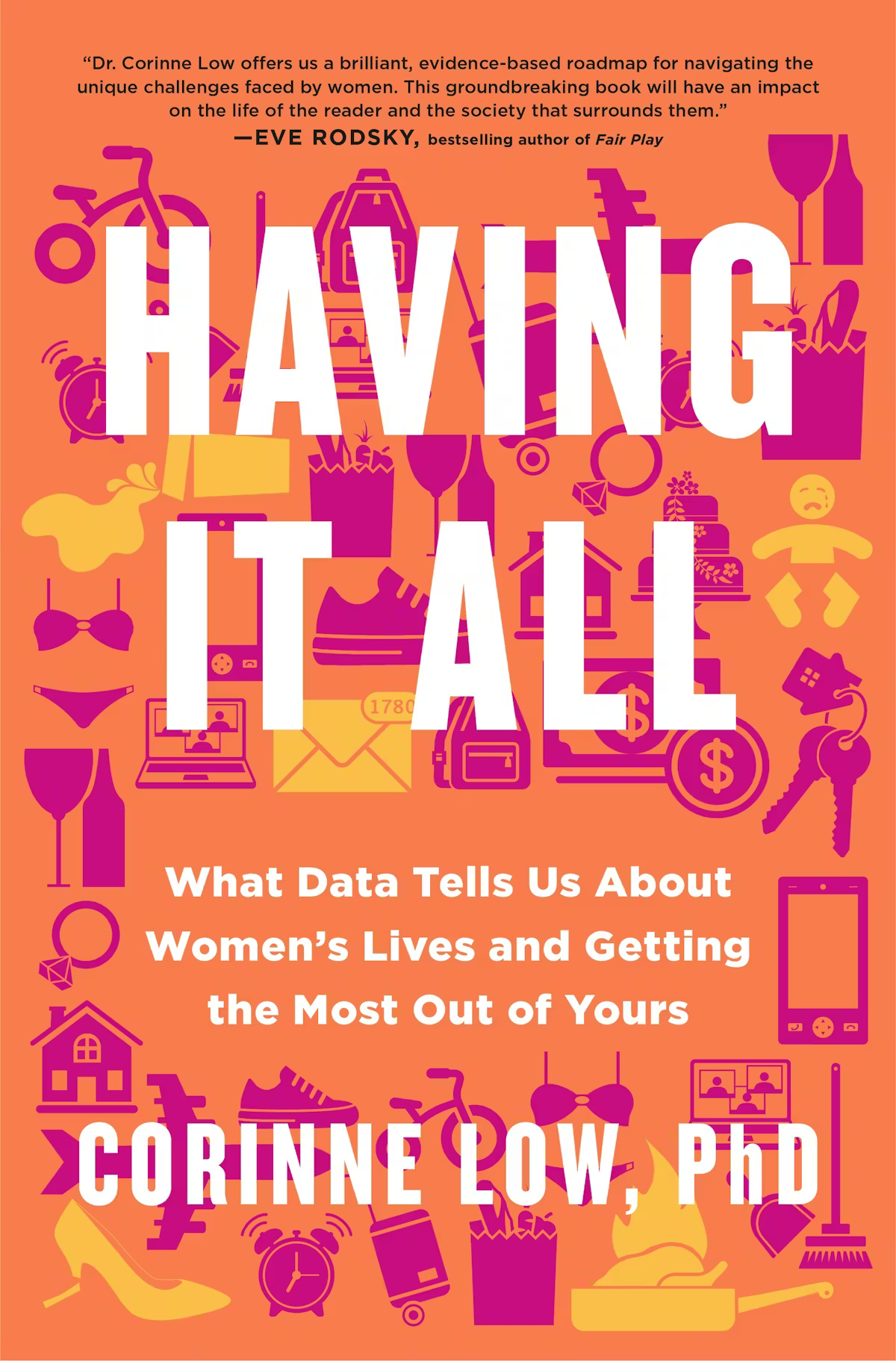
Having It All: What Data Tells Us About Women’s Lives and Getting the Most Out of Yours by Dr. Corinne Low
Brian writes: “Low is an economist at Wharton—brilliant, data-driven, and refreshingly candid about her own messy journey. She opens, pumping milk in an Amtrak bathroom, crying because she’ll miss putting her baby to bed. It’s a small moment that reveals something enormous: women are navigating systems never designed for them to succeed.”
Read Brian’s full review here.
Dr. Darshak Patel
Let Them Theory by Mel Robbins
A mindset reset. Robbins focuses on freeing yourself from the energy drain of trying to control what (and who) you can’t. Darshak recommends it as a tool for reclaiming your time, priorities, and emotional bandwidth.
Dr. Brandon Sheridan ( economics_BS )
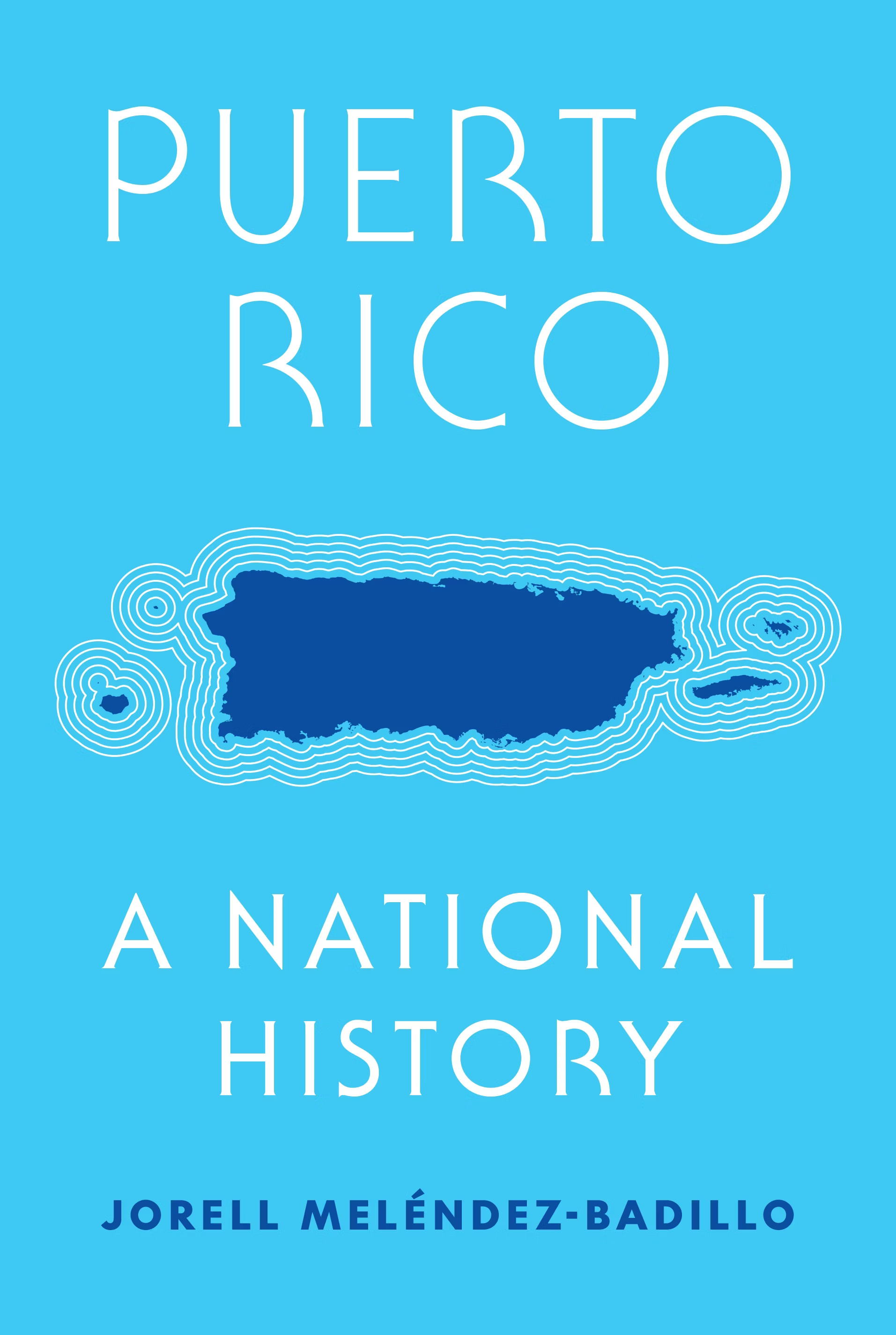
Puerto Rico: A National History by Jorell Meléndez-Badillo
A sweeping and deeply researched narrative. Meléndez-Badillo traces Puerto Rico’s history from pre-Columbian cultures through colonial resistance, U.S. governance, and the modern era. Brandon recommends it for anyone who wants an accessible but rich understanding of the island’s past and present.
Michael Prunka
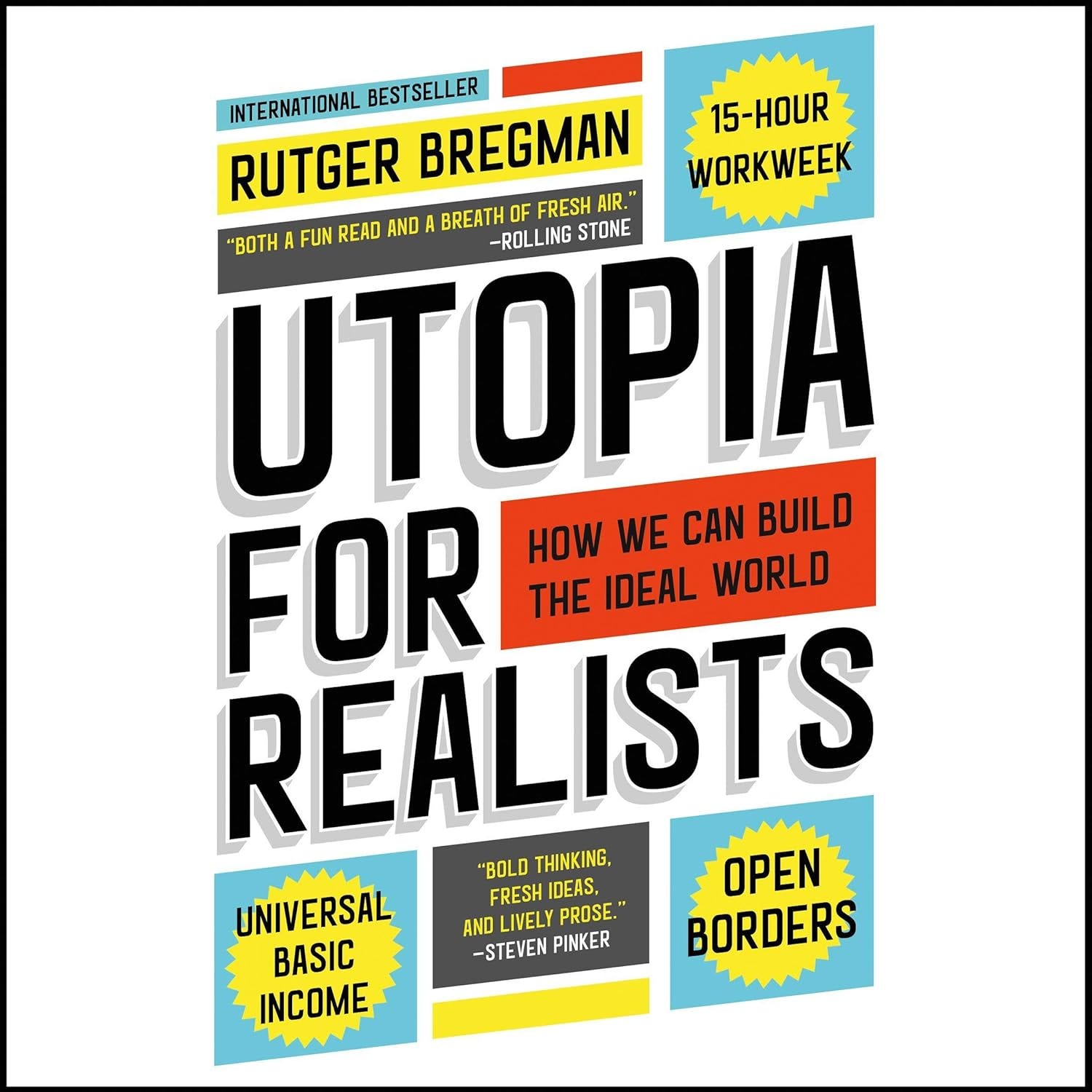
Utopia for Realists by Rutger Bregman
Michael says: “This book is my tongue-in-cheek answer to the question, ‘What radicalized you?’ It’s ambitious yet grounded, offering realistic paths toward a more equitable economic structure.”
Bregman explores ideas like universal basic income, shorter workweeks, and the economics behind human progress.
Jordan Peeples, PhD
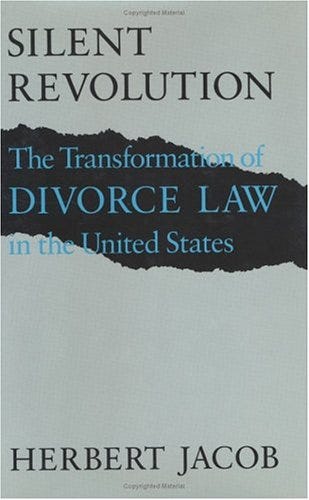
Silent Revolution by Herbert Jacob
Jordan said “My book is Silent Revolution by Herbert Jacob. It’s a captivating recount of the no-fault divorce laws enacted by state legislatures in the 1970s. These laws were passed without much debate but had substantial cultural, legal, and economic consequences for the U.S. Some part of this “silent revolution” of divorce laws happened because couples were manufacturing evidence to prove fault in the previous laws; the new no-fault divorce laws were thought to be in line with this practice. Jacob provides the history and potential effects of one of the most important laws in the U.S., currently under debate.
Antowan Batts
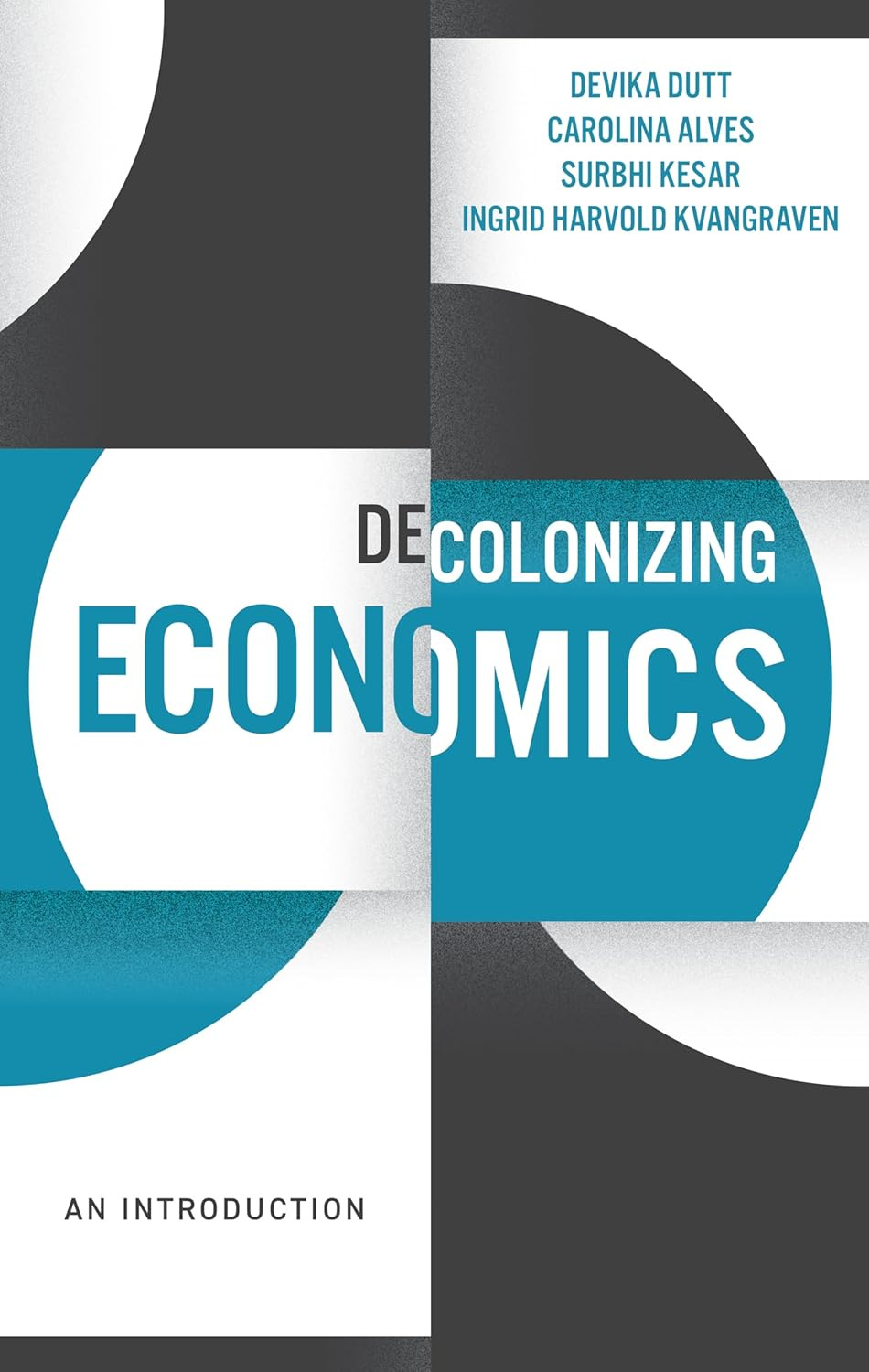
Decolonizing Economics by Devika Dutt, Carolina Alves, Surbhi Kesar & Ingrid Harvold Kvangraven.
This collection challenges the Eurocentric foundations of mainstream economics and argues for frameworks that better account for structural power, racial inequality, uneven development, labor dynamics, and the climate crisis. Antowan highlights its call to rethink what economists consider “neutral” or “objective.”
Antowan said, “Decolonizing Economics matters because it reveals how deeply our discipline has been shaped by colonial history and Western bias, and then shows us what a more global, justice-focused economics can look like. The book connects economic theory to power, history, and lived experience, especially in the Global South. I recommend it because it sharpens how you understand inequality, challenges assumptions we often take for granted, and equips you to think about policy, development, and global business in ways that are more accurate, ethical, and inclusive.”
Dr. Jeni Al Bahrani
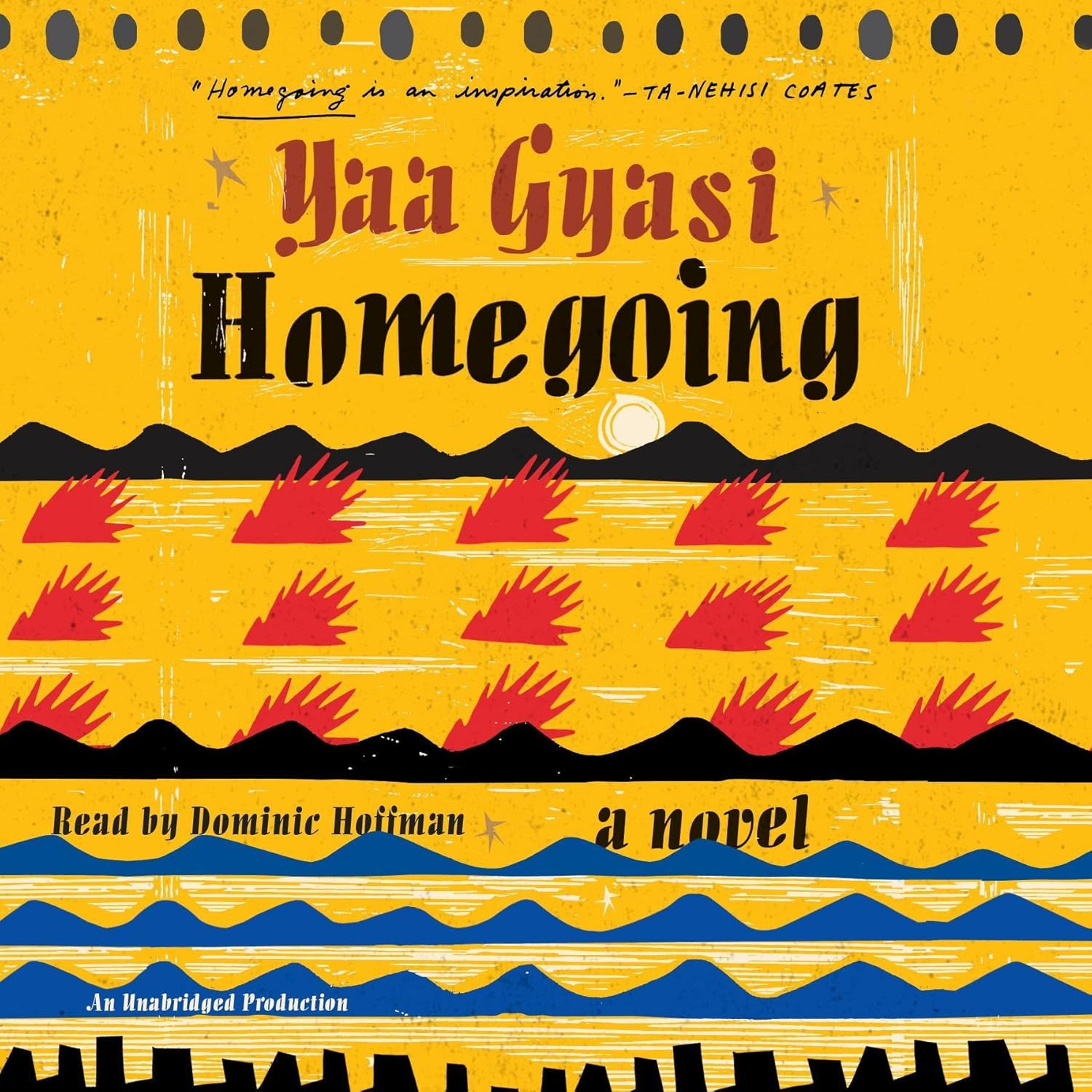
Homegoing by Yaa Gyasi
A powerful multi-generational story following two half-sisters and their descendants across 300 years and two continents. The adaptation reveals the lingering economic and social legacy of slavery through intimate family narratives. Jeni recommends it for readers who want history, humanity, and art all in one.
Princess Nworah
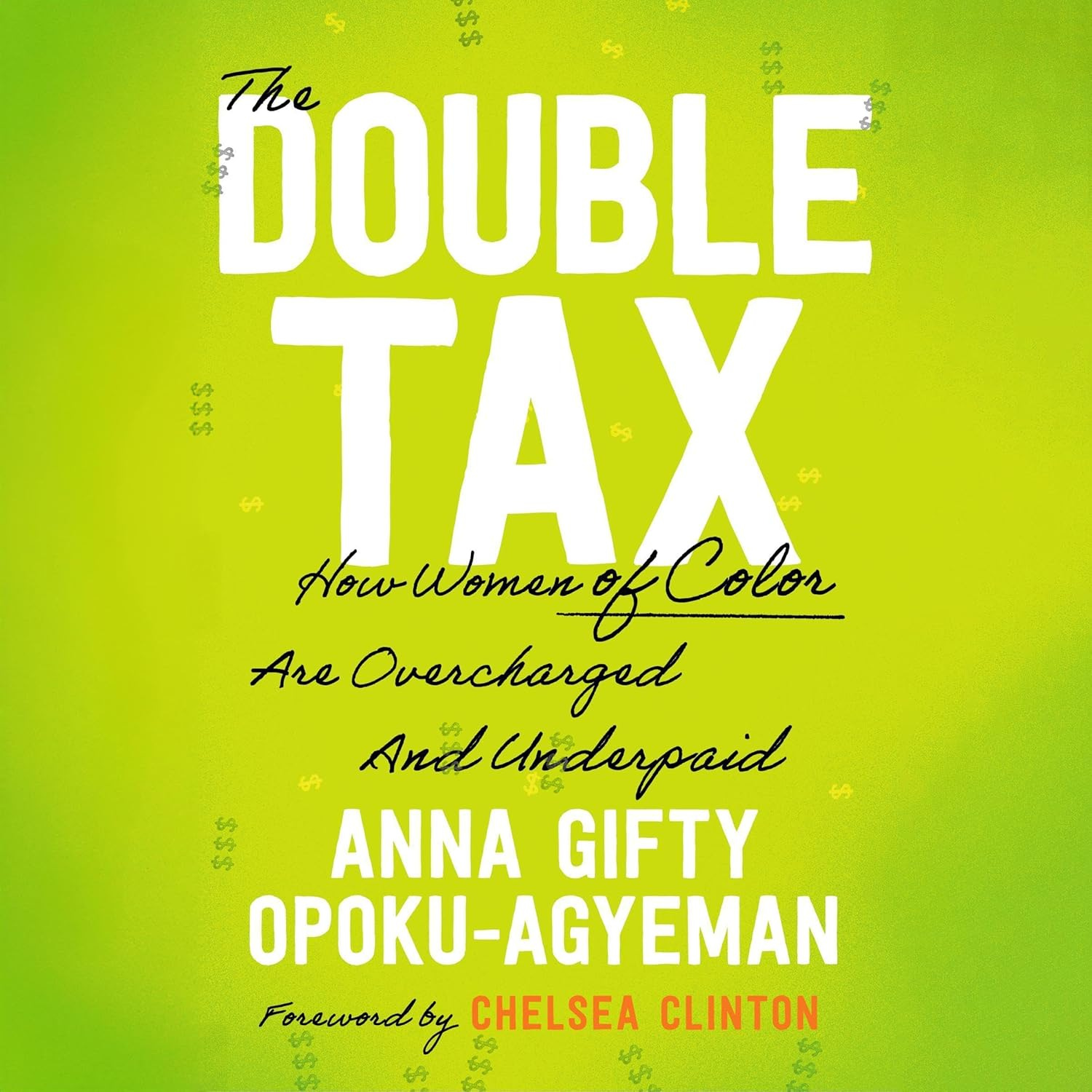
The Double Tax: How Women of Color Are Overcharged and Underpaid by Anna Gifty Opoku-Agyeman
Why is it so expensive to be a woman in America? From a rising star in economics comes the first comprehensive look at the costs women face and why the bill runs especially high for women of color—with a foreword by Chelsea Clinton.
Dr. Abdullah Al Bahrani
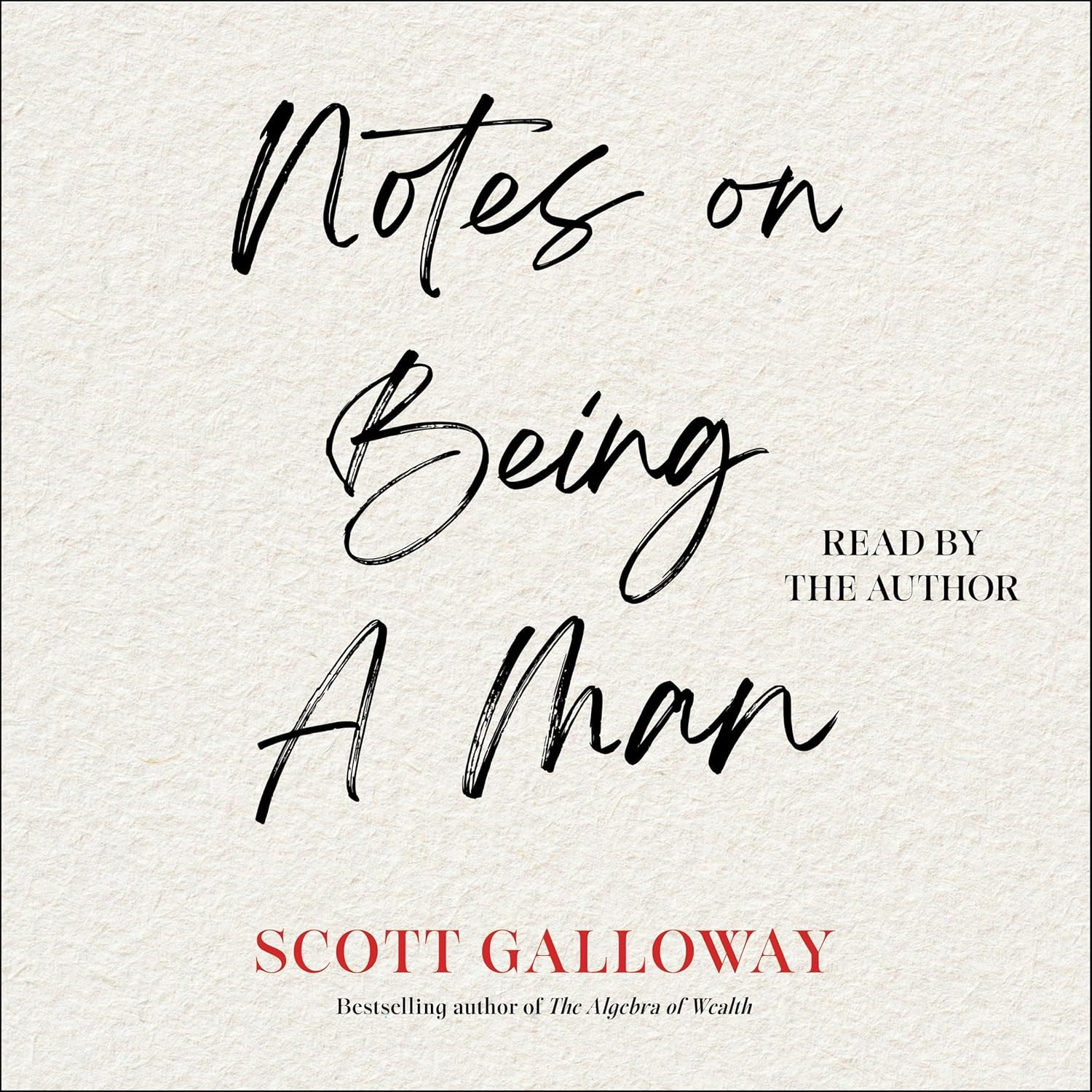
Notes on Being a Man by Scott Galloway
Galloway reflects on masculinity, mental health, ambition, and fatherhood through stories from his own life. He writes about anger, financial pressure, divorce, and raising two boys—with humor and discomfort in equal measure. For anyone thinking about identity, responsibility, or the economics of modern manhood, this one resonates.
The Bottom Line
Books make great gifts because they compound—ideas, empathy, and curiosity all grow over time. Our contributors offered stories of history, identity, systems, and self-improvement. Whether you’re shopping for someone else or building your own 2026 reading list, I hope something here sparks your interest.
If you have a book recommendation, reply and let me know—I’d love to share reader picks in a future edition.
Decode Econ is a daily newsletter that helps you learn about the economy you live in. Share this post with someone who needs a gift idea.
I’ve got some great additions to my Goodreads list here!
Great suggestions here! It is one of my favorite posts of the year, so we can add to our reading list! I am also finishing Gentelligence over break!