



Our household is skipping Black Friday; we are all in for Small Business Saturday.
According to the latest American Express Shop Small data, sixty-eight cents of every dollar spent at a small business stays in the local community. That’s a reminder that shopping local helps build a regional economic engine. Local shops hire local workers, source from nearby suppliers, and strengthen the trust and connection that make a neighborhood feel like home.
And that impact has never mattered more. After several years shaped by inflation, shifting supply chains, and changing shopping habits, many small businesses are rebuilding in real time. Your decision to “shop small”, whether in person or online, helps sustain the entrepreneurial families who anchor our community.
Today, I partnered with Dr. Jeni Al Bahrani, who teaches entrepreneurship at Miami University's Farmer School of Business, to discuss the economics of shopping local and offer advice for local entrepreneurs. Two reasons people say they don’t shop local are because of prices and customer service, so let’s discuss this topic in more detail.
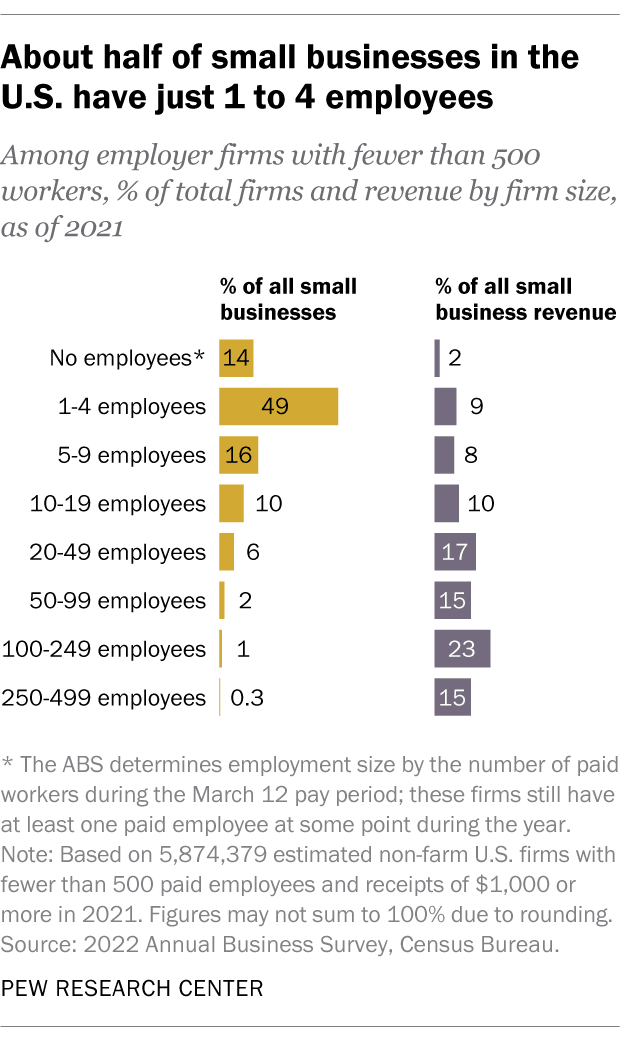
Here’s a surprising data point: About half of all small businesses in the U.S. have just 1 to 4 employees. Another 14% have no paid employees. These are the micro-enterprises, family-run shops, solo founders, artisans, side-hustle businesses, that make up the backbone of local commercial corridors.
And while these firms are small in headcount, they’re big in contribution. Businesses with fewer than 50 employees generate nearly half of all small-business revenue, according to Census data.
The Economics: Your Dollar Has a Local Multiplier
According to the BLS, Small businesses accounted for 55 percent of total net job creation from 2013 to 2023.
Small businesses, firms with 249 or fewer employees, accounted for 99 percent of the 5.6 million firms covered under Unemployment Insurance in the first quarter of 2023.
According to the National Retail Federation, 67 million shoppers are expected to turn out on Saturday, with 80% reporting they will shop local.
Economists have a simple way to describe why Small Business Saturday works: the multiplier effect. When you spend money at a neighborhood business, that dollar keeps circulating. It becomes wages, rent, repairs, design services, deliveries, childcare, groceries; each dollar generates another transaction inside your local economy.
Money spent at big-box stores doesn’t disappear; much of it leaves the region quickly, flowing to corporate headquarters or national distribution networks.
Local spending is different. Your purchase creates second- and third-round effects that boost community income, support public services, and help small businesses weather economic cycles. In a world where many people feel disconnected from the economy, shopping small gives you a direct way to shape it.
In short, when you value something, you invest in it. Remember, you do not need policy, tariffs, or government to tell you where to spend. If you truly valued local companies, you could choose to spend on them today and invest in them.
Advice to Local Business Owners
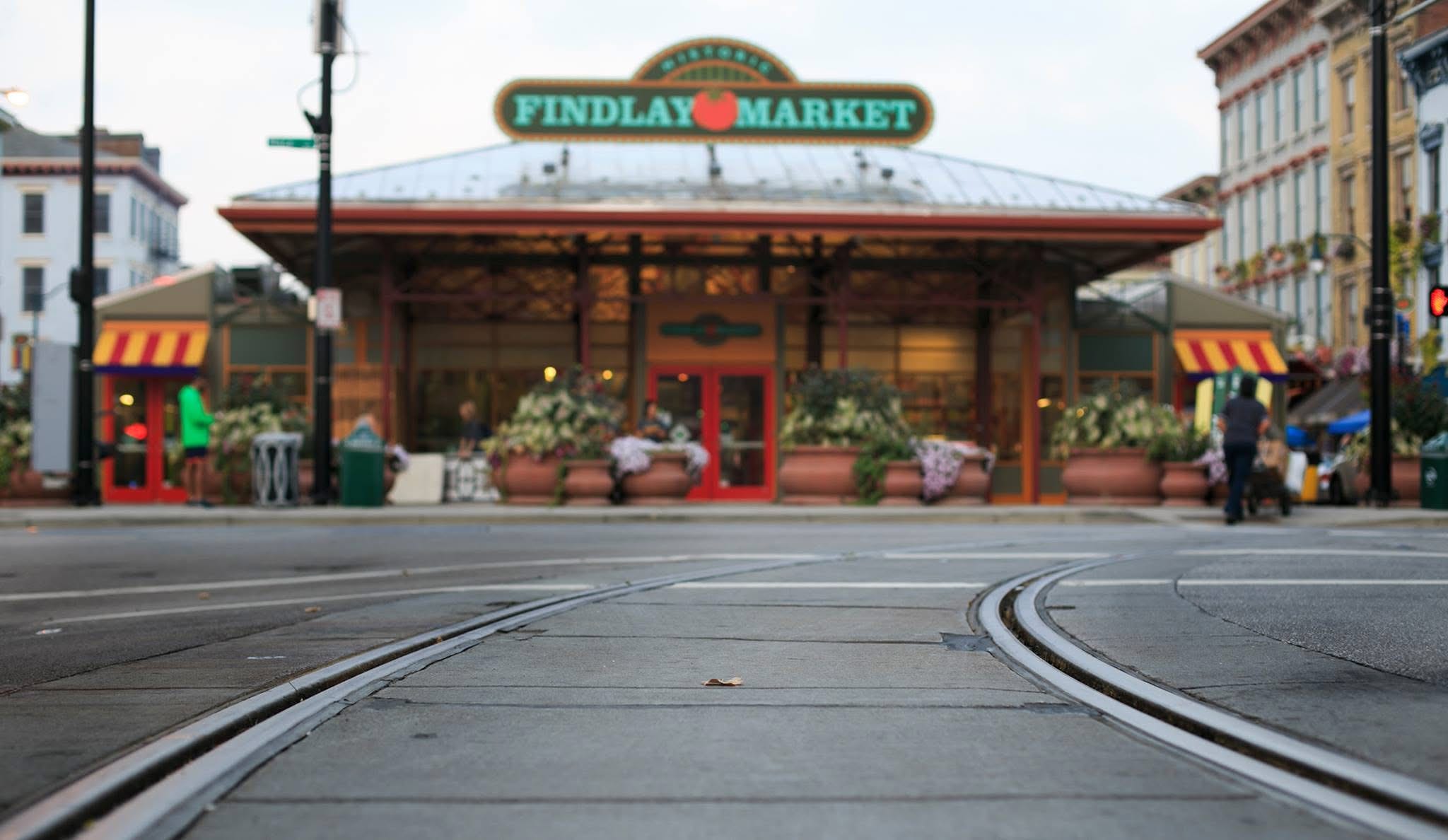
Economics of Scale and Scope
As we mentioned earlier, due to economies of scale and scope, smaller businesses will have a hard time competing on price and will have a limited offering. But they can compete in relationship building. Invest in the pre-purchase, post-purchase experience, and everything in between. Build loyal customers who feel special.
Dr. Jeni Al Bahrani says “your work doesn’t end at the sale”. The post-purchase experience “determines whether customers come back, tell their friends, and become long-term supporters”. Here’s a simple, step-by-step system you can start using this weekend:
Express genuine gratitude. A short thank-you email, text, or handwritten card stands out. People remember feeling seen. You won’t be able to compete with big retailers on price, so focus on customer satisfaction.
Onboard them to their purchase. Provide use tips, styling ideas, care steps, or a quick video. Help buyers feel confident and excited.
Invite feedback and reviews. Ask once they’ve had time to use the product. Make it easy. Social proof drives new customers.
Deliver a moment of surprise and delight. A small sample, early access, or personalized recommendation builds loyalty.
Build a loyalty path. Track repeat buyers and reward them — a punch card, email list, or birthday message goes a long way.
Stay present through consistent content. Use email or social platforms to share your story, highlight customers, or offer value. Stay in their world without overwhelming them.
Ask for referrals with intention. After someone has purchased more than once, invite them to bring a friend. Provide clear language and a small incentive.
Review your results. Every month, look at what worked — the messages that brought people back, the offers that increased sales — and refine from there.
You don’t need to implement every step this weekend. Start with one or two. Consistency beats complexity.
A Community Update
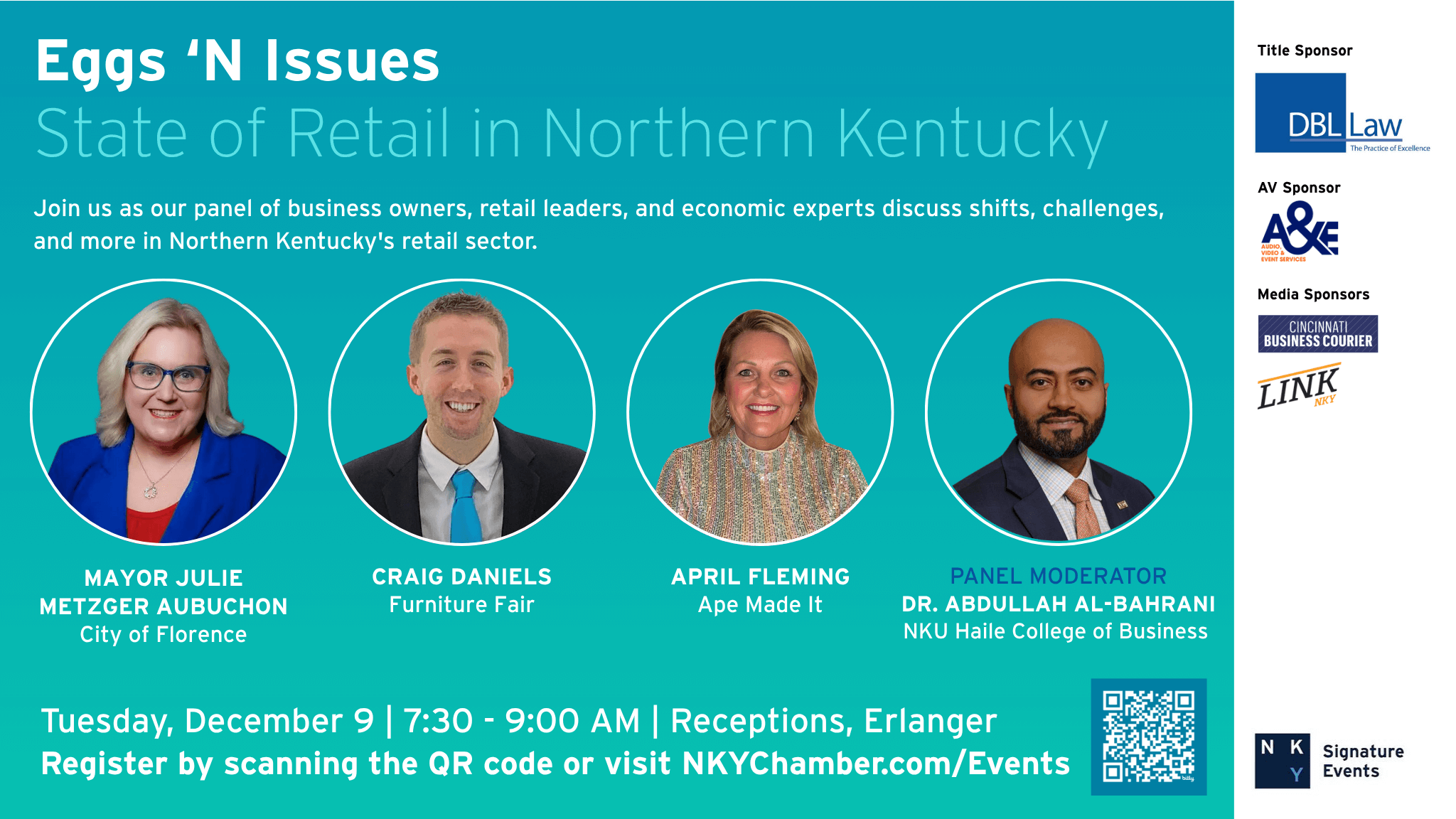
I will moderate the next NKY Chamber of Commerce Eggs and Issues event focused on the State of Retail. It’s a timely conversation that bridges data, strategy, and community impact, exactly the kind of dialogue our region needs as we think about the future of local business. Register here.
The Bottom Line
Small Business Saturday isn’t a feel-good gesture. It’s smart economics.
Your dollars have the power to stabilize local jobs, strengthen neighborhoods, and signal what kind of community you want to live in.
If Decode Econ has helped you make sense of the economy this year, consider gifting it to someone you care about. For Small Business Saturday and Cyber Monday, you can gift a full year of Decode Econ at 30% off the regular annual price, available through November 30th. Nothing says “I care about you” quite like giving someone a clearer way to understand what’s happening in the economy.

As a small business owner- I see the multiplier effect in action each week. Money in our community is visibly circulating among neighbors and employees. This is the way we keep our neighborhoods dynamic and rich with artists, restaurants and small businesses!!
I have always been anti corporate consolidation. This newsletter gives me more cause and a reminder. I didn't know about the local multiplier