


In business, profits are never guaranteed. And in economics, profit maximization also means loss minimization. Sometimes the smartest business decision means to close up shop and give up on the business.
We’re seeing this play out in the rise of “ghost ski resorts” across Europe.
This story was shared with us by Dr. Darshak Patel (University of Kentucky), who uses it to bring the shutdown rule to life.
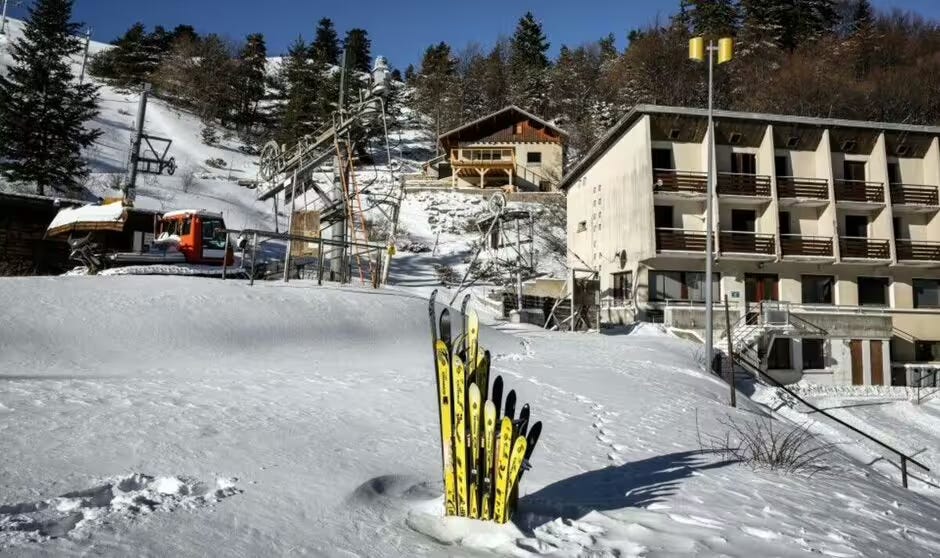
In France alone, there are 113 abandoned ski lifts stretching nearly 40 miles across mountain terrain, almost three-quarters of them in protected areas. The Mountain Wilderness Association estimates that over 3,000 abandoned structures are scattered across the Alps: old cables, fencing, machinery, and remnants of past economic activity slowly fading into the landscape.
And the number is growing. More than 186 ski resorts have permanently closed, raising a deeper question: what happens when an industry no longer makes economic sense?
The Economics Behind the Decision
Consider the Céüze ski resort in the southern French Alps. Each season, it costs roughly €450,000 ($516,000) to operate. To break even, the resort calculated that it needed to stay open for at least three months.
Due to warming temperatures and shorter winters, Céüze’s final season in 2018 lasted just six weeks. At that point, the math becomes unavoidable.
Revenue no longer covers operating costs. Each additional day of operation didn’t reduce losses; it increased them. And when that happens, the shutdown rule is clear:
Shut down in the short run to minimize losses.
Once losses become consistent and firms do not see relief, it is time to close up shop and move on for good. Keeping the resort open would not save it. It would only accelerate financial decline and deepen the burden on the local authority.
And that is how they made the difficult, yet economically rational decision to close.
ICEE Season is Upon Us
This isn’t just about skiing. It’s about how markets respond to changing conditions and demand fluctuations.
Firms don’t fail because they make bad decisions. Sometimes they fail because the environment changes faster than they adapt. Markets change, and business owners need to be aware of these shifts. And when that happens, it’s easy to ask Can you survive? But the right question may be Should you continue?
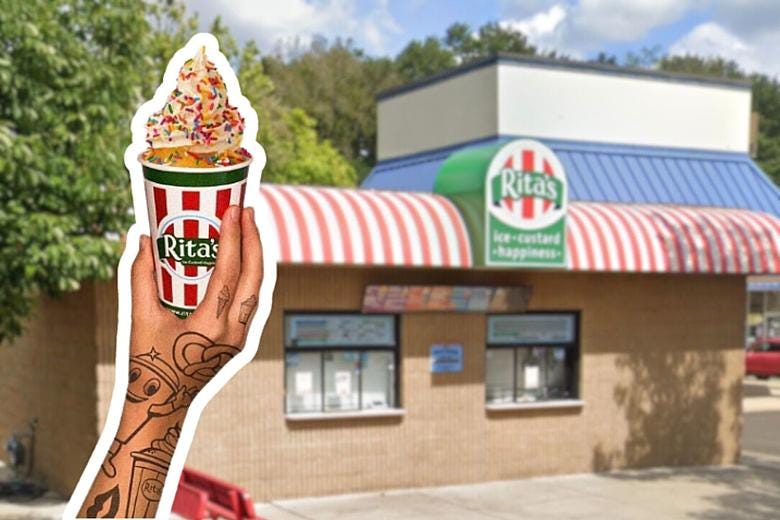
As spring arrives and temperatures rise, we see the mirror image of this decision. Ice cream shops, Italian ice stands, and frozen custard spots emerge from hibernation because the math changes. Warmer weather increases demand, allowing revenue to cover variable costs and then some, turning reopening from a risk into an opportunity for profits.
The same shutdown rule that closes ski resorts for the warmer seasons is what brings ice cream shops back to life: when prices rise above the cost of operating, firms re-enter the market; when they fall below, they shut down. Different industries, different seasons, but the same economic logic.
But not all shutdowns are temporary. When markets show no path to recovery, a seasonal break becomes a permanent exit. That’s the sad story behind ghost ski resorts.
So consider this your call to action: go support your local ice cream or Italian ice shop. Today’s demand is what keeps seasonal businesses coming back tomorrow.
What an interesting application of the topic! I'm glad that he shared this story with you because I hadn't heard it before today.
Decision Theory which is an umbrella term for Sunk-Cost Fallacy, Loss Aversion and Indentity Lock-in can blind a person from making a rational choice when they can't separate themselves from the "thing".
Dating the wrong person? The same second guessing feeling is the parallel everyone can relate to. Stay? Move-On? Take some corrective measure (therapy)?
Being able to divorce the notion of "failure" from "this isn't working the way I need it to" is some serious internal work.