


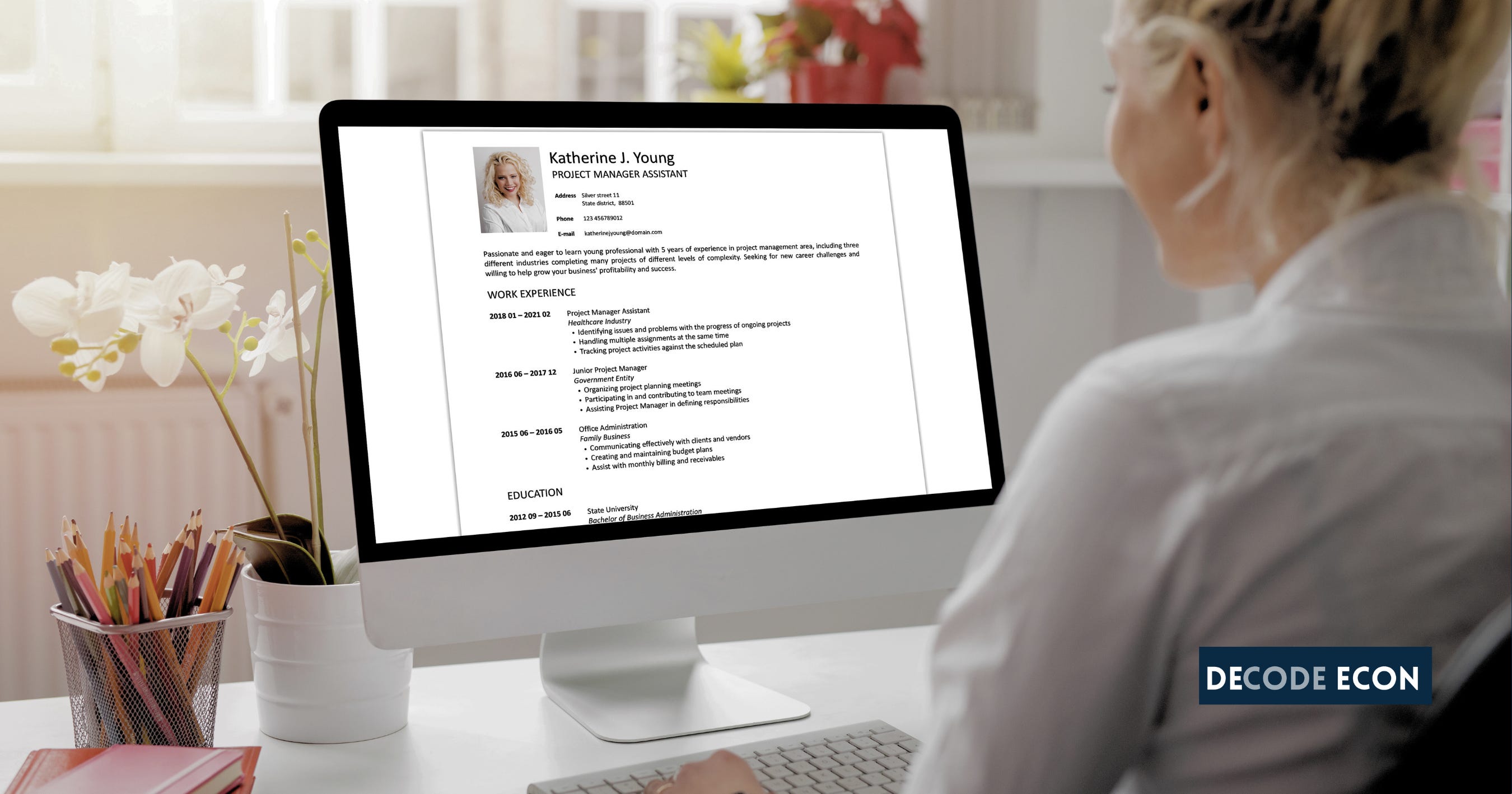
Are you looking for a new job? Well, get ready. Your application process will look different.
A few weeks ago, we talked about how AI may have killed the cover letter. Now, the resume might be the next casualty.
Instead of submitting traditional materials, many applicants are being asked to respond to structured questions through company websites or complete short work trials as part of the hiring process.
According to Amanda Hoover, a senior correspondent at Business Insider, resumes are still used, but their importance is declining. She said on Marketplace:
“They are still around, but their importance and their ability to land you the job you want is definitely decreasing.”
Why is This Happening?
Because AI has dramatically lowered the cost of producing application materials. When anyone can generate a polished resume or cover letter in seconds, employers struggle to distinguish between genuine candidates and AI-assisted submissions.
In response, companies are introducing frictions into the hiring process. The structured questions, assessments, and trial projects are harder to automate and require the applicant to invest, allowing hiring managers to distinguish applicants willing to put in the effort from those who are mass-applying. This approach does not eliminate the use of AI to respond to prompts, but it slightly increases costs.
Key Components of Modern Hiring
Structured Questioning: Candidates are asked a set of standardized, job-related, behavioral, or situational questions. These are scored using rubrics to compare candidates objectively, minimizing “gut feeling” decisions.
Work Trials/Samples: Applicants are asked to perform tasks that mirror actual job responsibilities, such as writing code, completing a customer service simulation, or developing a brief strategy, usually within a short, defined time frame.
Automated Screenings: Candidates may be asked to record video answers to questions through a job post or a company’s platform, serving as a “mini-interview” for initial assessment.
But as hiring technology changes, one thing is becoming clear: The way we signal our skills to employers is evolving. And the traditional resume may no longer be the primary signal.
The labor market will increase reliance on recruiters who can find the right applicant. Firms expect an increase in recruiting costs, reliance on recruiters, and paid work trials. For job seekers, finding new ways of being found by recruiters will become a new search strategy. That means more LinkedIn posts, activity, and more connections with recruiters.
From Marketplace
We want to hear from you. Are you or someone you know looking for a job? How is the process going?
Firms have been doing this for a while now, but we haven't really changed the way we're teaching students to accommodate this. There's been a big push away from high-stakes assessments, but these technical interviews are now high-stakes assessments for graduates in need of work.
I know I'm still teaching in a way that will allow students to put hard skills on their resume, but I'm likely not doing enough to make sure they're ready for technical interviews to demonstrate those skills.
Always be cautious of a potential employer taking advantage of your work product to complete as task they may have on their calendar. Generalized task that may fit in any similar job situation, probably acceptable. But if it is highly specific, there is no harm in asking if this is being used to further an internal project. (Polite question, not giving pushback.)
An employer that asks you to dedicate too much time into one of these tasks may be signaling how they would value your time as an employee.
*LinkedIn reminds me of Obi Wan Saying "You will never find a more wretched hive of scum and villainy. We must be cautious." From my 20,000 foot view, people are better off asking for 5 minutes of someone's time to ask a question. A strong series of personal connections with a professional circle nets better results.
I just hired someone to help organize my information flow. They didn't have the "on-paper" experience but the person who suggested them had such glowing words I took the chance. Good Mentors willing to help pave a path still carries a lot of weight in my circle.