



In today’s post, we cover three stories:
How Levi’s won World Cup marketing
How FIFA changed its product to make more money
Labor mobility explains World Cup success
New here? Make sure to subscribe and join our community.

Levi’s Stadium Has No Name — And Levi’s Loves It
What Happened
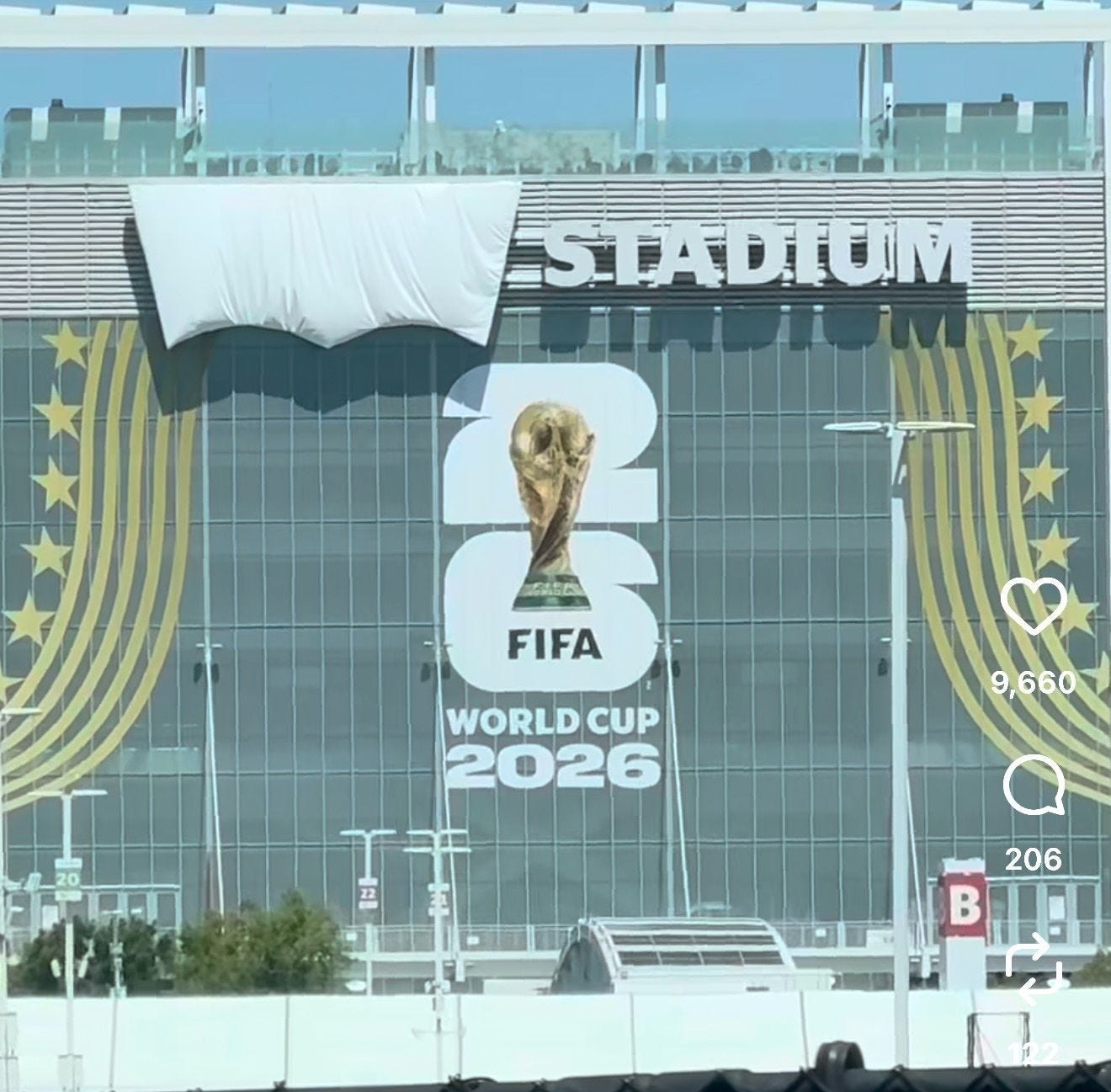
FIFA’s “clean venue” rules require host stadiums to strip all non-FIFA sponsor branding during the World Cup. That means Levi’s Stadium in Santa Clara is operating as “San Francisco Bay Area Stadium” through July 19. They have “covered” the logo, and the name is gone. Levi’s responded by posting the shrouded batwing on Instagram set to “Nobody’s Gonna Know,” leaning into the erasure rather than fighting it.

The Economics
This is free advertising through exclusion, what economists and internet historians call the Streisand Effect. In 2003, Barbara Streisand sued to remove an aerial photo of her Malibu home from a public database. Before the lawsuit, the photo had been downloaded six times. After the news broke, it went viral with hundreds of thousands of views. The attempt to suppress something made it impossible to ignore. FIFA's restriction created the same dynamic: the covered logo became more visible than the uncovered one would have been, and no paid campaign could have manufactured that success.

FIFA’s Hydration Breaks Are Not About Hydration
What Happened
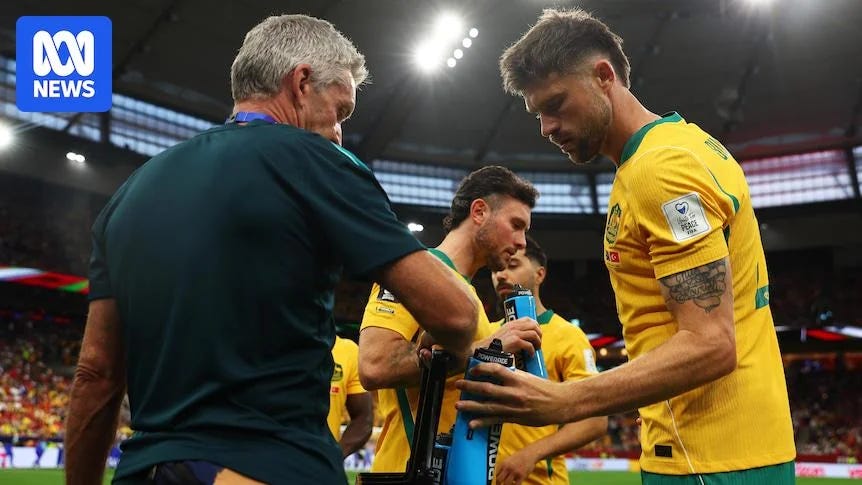
Every half of World Cup play now includes a mandatory three-minute hydration break. FIFA frames this as player welfare to protect them from the heat. What it actually does is divide each half into quarters, creating two additional commercial windows per game that didn’t exist before. Players and fans are frustrated. Virgil van Dijk said publicly they’re “not great” for the game.
The Economics
This is producer surplus extraction through rule change. FIFA controls the product entirely — the game, the venues, the broadcast rights. By engineering a break into the flow of play, they’ve introduced new time that can be monetized, at the direct expense of product quality. Fox Sports VP Zac Kenworthy basically said the quiet part out loud: FIFA is “very intrigued in the American market, the way we do sports here.” They’re not wrong that American sports are quartered by design. They’re just pretending that’s not the reason, and fans are hating the lie. Call it what it is, and maybe football fans will forgive you, maybe.

Cultural Economics: The World Cup Roster Is a Labor Market
What Happened
Of the 26-man USMNT roster, six players were born outside the United States
Sebastian Berhalter: born in London, UK
Sergiño Dest: born in Almere, Netherlands
Gio Reyna: born in Sunderland, UK
Antonee Robinson: born in Milton Keynes, UK
Malik Tillman: born in Nuremberg, Germany
Alejandro Zendejas: born in Ciudad Juárez, Mexico
There are nine players born in the U.S but are representing different countries
Born and raised in Appleton, Wisconsin, Esmir Bajraktarević is representing Bosnia and Herzegovina at the upcoming World Cup
Jonathan David, born in Brooklyn, New York, is representing Canada.
Goal Keeper CJ Dos Santos, born in Philadelphia and played for the Union, is representing Cape Verde.
Duke Lacroix and Derrick Etienne Jr. is representing Haiti; both are U.S. Born.
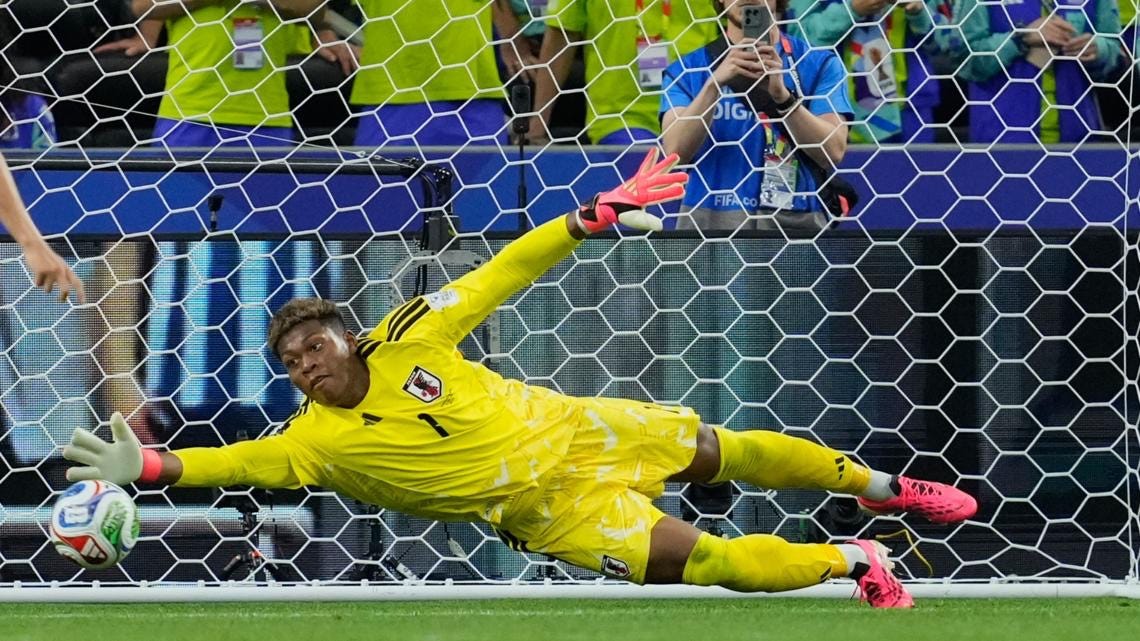
Zion Suzuki, born in the U.S. to a Ghanaian father and Japanese mother, is playing for Japan.
Mohammed Abdulnadi is representing Jordan.
Obed Vargas and Brian Gutierrez are playing for Mexico.
The Economic Mechanism
Labor mobility and comparative advantage, applied to athletic talent markets. When given the choice, players opt for the national team where their marginal value and probability of playing time are highest. The U.S. benefits from drawing on a global diaspora. Other nations benefit from American-raised players whose development systems produced what their home countries needed. This is a labor market working exactly as economists would predict.

Dr. A’s Take
All three of these stories are really about the same thing: who controls the terms of participation, and who captures the value. FIFA covered the Levi’s logo and accidentally handed them a viral marketing campaign. FIFA adds breaks to a continuous sport to extract advertising revenue while causing fan inconvenience. FIFA benefits from a global labor market that sorts talent to where it is valued most.
FIFA is operating as a near-perfect monopolist. A near-perfect monopolist will always find a way to monetize whatever it didn't previously monetize — branding restrictions, rule changes, even the free movement of players helped increase FIFA's value. I believe the fans will keep watching. That's the thing about monopoly power: you don't have to make the product better. You just have to make sure there's no alternative, and there isn't an alternative to the World Cup.
The marketers at Levi's knew exactly what would happen... :))
2 exceptions to the naming issue -
Mercedes-Benz stadium in Atlanta because removing the logo was thought to cause damage to the building. (Ironically also the cheapest place to buy food. Arthur Blank has a policy of not gouging patrons for any event held there. $2 soda w/ unlimited refills (Coke products as a partnership given headquarters being in Atlanta), $5 beer, $2 hot dogs... they still make a profit. tons of research on why/how this works so well.)
Gillette Stadium covered the logos, but they have permanent banners celebrating the Super Bowl wins (yeah me, Patriots fan!). They don't use the name "Gillette" but it's highly visible and the only branding not in association with FIFA partners.
*Figured out the parking expense. 5000 spots at stadium, so premium pricing due to scarcity. They are highly encouraging people to use public transit. (Anyone who has been trapped on Route 1 coming out of Foxboro knows you should just nap after a game to wait it out!)
Women's sports and specifically Ice Hockey... Have a friend whose daughter is playing in Croatia due to lack of opportunity in US. We could even discuss Britney Griner and others playing in Russia because the salary was multiples of what they could make in WNBA, even after the new CBA.
The US has large training facilities for various sports and finding foreign athletes training alongside their US counterparts is common. (Insert Cool Runnings reference, but now they just come here to train rather than adapt to warm weather and sleds.)
*Our geography and investment gives the US an absolute advantage in some sports and just a comparative advantage against China (similar geography/investment) The less spoken about Break Dancing as an Olympic event the better!