



On December 1st, President Trump signed a bipartisan tax administration reform. The IRS Math and Taxpayer Help Act, the IRS MATH Act, will impact millions of Americans every filing season.
The law doesn’t change tax rates or deductions. It changes something far more practical: how the IRS communicates when it thinks you made a mistake.
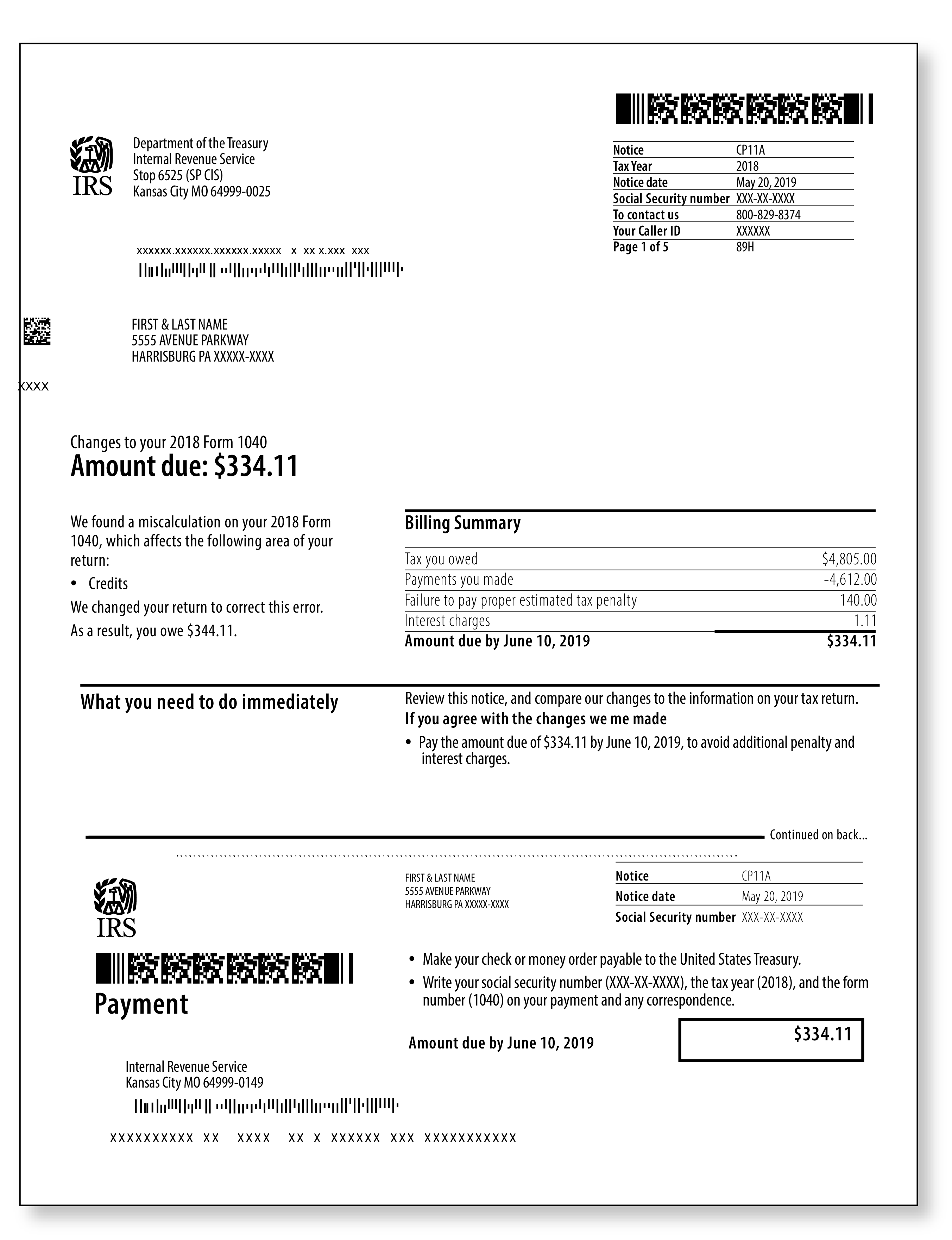
This matters because the IRS sends out several million “math error” notices each year. These letters can instantly increase your tax bill, reduce your refund, or deny a credit. And until now, those notices often told taxpayers almost nothing about what actually went wrong.
The IRS MATH Act changes that.
Let’s dig into the Act and what has changed.
The Economics: Why Math Errors Are Not “Simple Errors”
In economics, information is power. It is the cornerstone of economic thinking and rational decision-making. When one side of a transaction knows more than the other, we call it information asymmetry—and it can lead to poor outcomes, market collapse, bad decision-making, lost trust, and, in this case, increased financial anxiety.
Math error notices fall under §6213(b). They allow the IRS to make quick, automated adjustments without an audit. For anyone who has received these letters, these adjustments can be nerve-wracking. In the old system, taxpayers had 60 days to challenge the change. If they missed that window, the IRS assessment becomes final. The only remedy was to pay first and fight later through a refund claim or a lawsuit.
For years, these notices were notoriously unclear. Some listed multiple possible errors (“missing SSN,” “incorrect credit,” “income miscalculated”) without telling taxpayers which one actually applied. Others left out the 60-day deadline entirely.
When you get a letter that says, “Something was wrong, we fixed it, here is your new bill,” but you don’t know what was fixed or why, you can’t meaningfully defend yourself. That’s an information asymmetry problem. And it undermines what economists call voluntary compliance, the idea that people follow the tax rules when the system feels transparent and fair. Reduced trust increases the probability that people avoid engaging with the tax system and increases the prevalence of a shadow or underground activity.
What the IRS MATH Act Changes
Starting December 2026, every math error notice must include:
The exact error, not a list of guesses
The exact line number on the return
A clear explanation of the adjustment
An itemized computation
A prominently displayed 60-day deadline with the exact date
Easy ways to challenge the change—by mail, electronically, by phone, or in person
This was championed by a bipartisan team, Elizabeth Warren (D) and Bill Cassidy (R) in the Senate, Randy Feenstra (R) and Brad Schneider (D) in the House, with strong support from the National Taxpayer Advocate.
This act is a welcome deviation from today’s political partisanship; people across the political spectrum came together and agreed that the IRS should explain itself clearly.
The Bottom Line: Transparency Is an Economic Good
When the government communicates clearly, taxpayers make better decisions, compliance goes up, and the entire tax system works better.
The IRS MATH Act will improve the clarity of the IRS's communication with you. For millions of taxpayers who have received confusing “math error” letters, this reform means fewer surprises and a fairer process when something goes wrong.
I’ve received those letters before. After getting one, I always say that the IRS already knows how much each of us owe, so they could just make it easier and send us all a bill instead of making us fill out all of those forms….or having to pay some corporation to fill out the forms for us.
Taxes are one of the key drivers of economic incentives and so when we have more transparency, those incentives become more direct and visible. Great article