

If the past few years have taught us anything, it’s that economic turning points rarely arrive with sirens and flashing lights. They arrive quietly. We see them first in sentiment, then in behavior, and only later in the data.
As we enter 2026, the economy doesn’t appear to be falling apart. But it is losing confidence, and this year, the declining consumer sentiment will begin to show up in the top-line data.
Here’s what I’m watching, and why it matters for your job, your finances, and your sense of economic security.
A Year That Feels Unsettled
On the surface, things look fine. The economy is still growing at an alarming rate. The last inflation report is lower than expected. The labor market is slowing, but doesn’t seem to be “broken.”
But underneath, something is shifting.
Markets are jumpier. Affordability pressures are increasing. And economic and political uncertainty is rising.
Where the Pressure Is Building
1. The labor market is weakening—especially for new graduates.
We are hearing about more layoffs. Firms are offering fewer openings, job seekers are experiencing longer job searches, delayed offers, and more contract work. Entry-level workers always feel this first.
For students graduating in 2026, the market will be more challenging than it has been in recent years.
2. AI is advancing, but markets are questioning the payoff.
AI will keep getting better. That’s not the issue. The issue is the business model.
Investors are starting to ask hard questions: Where are the profits? Who captures the value? How long can investment outpace earnings? Are the same 5-7 companies just reinvesting in each other, over and over? Is this an AI Ponzi Scheme?
3. Stock market growth may stall.
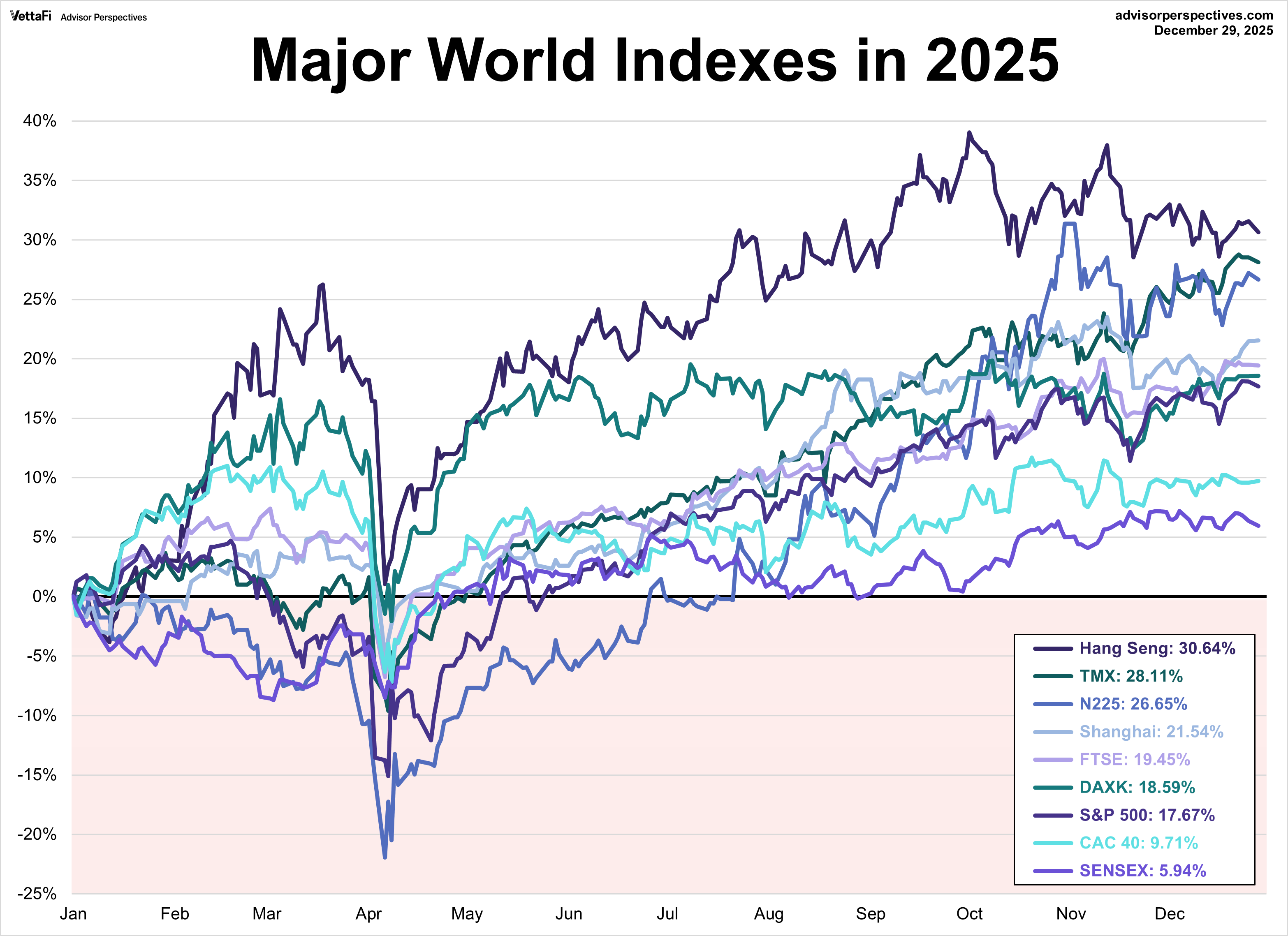
After years of optimism, markets may struggle to move higher without clear earnings growth. It means lower returns in 2026, more sideways movement, and sharper reactions to bad news. In 2025, the U.S. stock market grew but at a slower pace than in most developed economies.
4. Affordability remains the core economic problem.
Housing, healthcare, insurance, childcare—prices may not be rising as fast, but they’re still high. At the same time, wage growth is cooling.
