


The Problem
Imagine you hate your job. The hours are long, the boss is difficult, and you have been offered something better. But you stay anyway. Why? Because leaving means losing your health insurance.
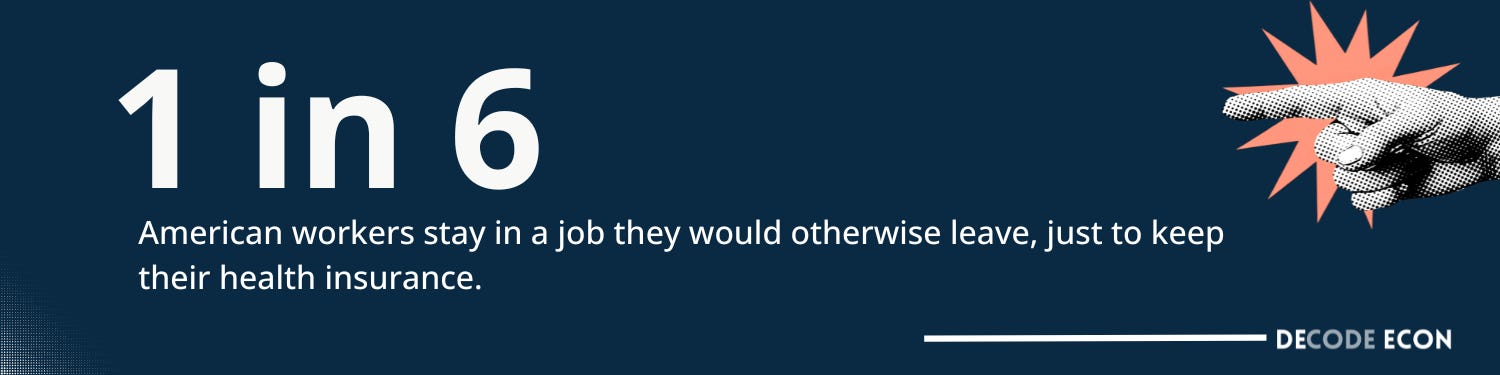
According to a West Health-Gallup survey, one in six American workers stays in jobs they would otherwise leave just to keep their health coverage. That is a structural problem built into the U.S. economy. Healthcare is tied to employment.
And it did not happen by accident.
The Economics
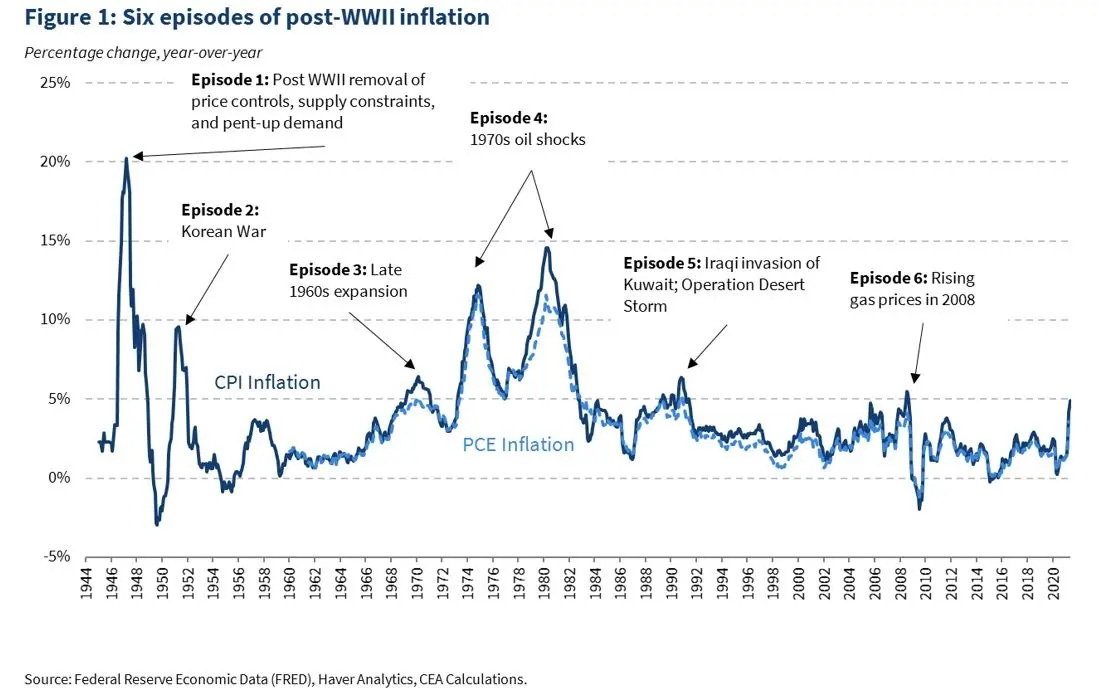
It started with a wartime workaround. During World War II, the government froze wages to fight inflation. Employers could not compete for workers with higher pay, so they offered health insurance as a benefit instead. Because it was not counted as taxable income, it was a legal way to increase compensation without increasing wages.
Then, in 1954, the IRS made it permanent. Economist Melissa Thomasson found that household insurance coverage jumped from 63% to 76% in just five years. A tax policy decision, made during a war, quietly reshaped how 330 million Americans access healthcare today.
Think of the labor market as a marketplace. For that market to work well, people need to move freely. Tying healthcare to employment puts friction in that market.
Economists call it job lock: the inability to leave a job because of benefits you cannot afford to lose. It reduces labor mobility, slows innovation, and keeps people in roles that do not match their skills. Research shows a $50 monthly drop in insurance premiums would increase the rate of new self-employment by about 9%.
The Bottom Line

Overall, 60% of people under age 65, or about 164.7 million people, had employment-sponsored health insurance in 2023. The level of coverage varies significantly with income and other factors, even among working families.
Health decisions and job decisions should be separate. Whether you can see a doctor should not depend on whether your employer’s benefits allow you to do so.
This affects the friend who wants to freelance but cannot afford to lose coverage. It affects the entrepreneur who stays in a corporate job for the benefits. It affects anyone negotiating a job offer who does not fully understand their total compensation.
The system was built on a wartime workaround and a 1954 tax rule. A good economy is one where people can move freely, take risks, and find work that fits their skills and values. Right now, for millions of Americans, health insurance is what keeps them stuck in place.
Did this change how you think about your job or your benefits?
Share this issue with someone who has ever stayed in a job longer than they wanted to.
I've typed out four or five different comments on this one, but none of them were articulate enough to voice my opinion. Instead, I've decided to thank you for writing this.
I run a lot of regressions that look like: Self-Employment = B_1*X + B_2*(Employer Health Insurance). The coefficient on employer provided health insurance is always negative and large. It's amazing that a wartime policy from almost a century ago affects today's rate of self-employment.