
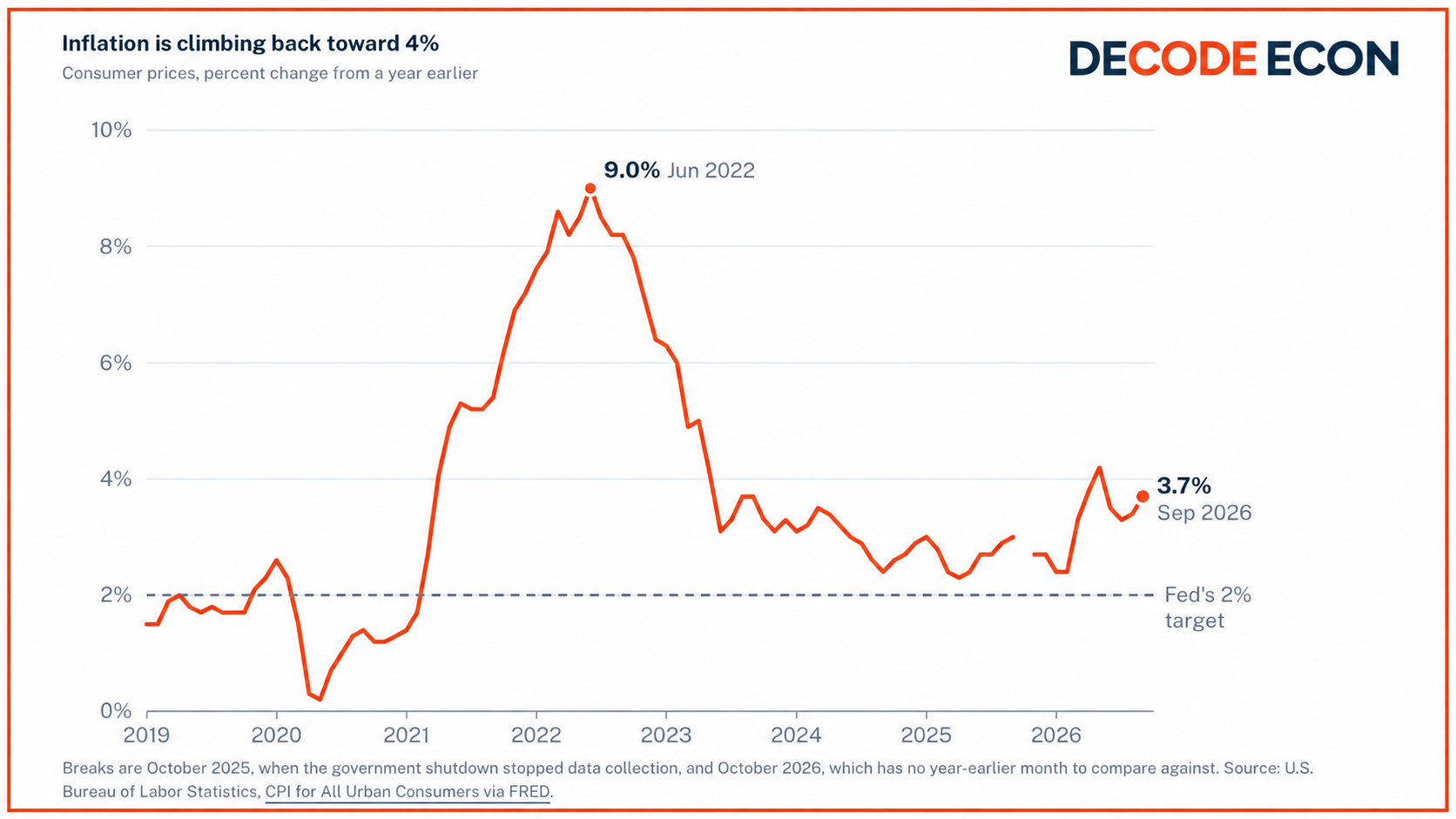
Inflation is Pushing Americans into debt
Prices are up about 3.8% since last November while paychecks grew 3.1%. Americans are covering the gap with credit cards, and a December rate hike would make that debt more expensive.
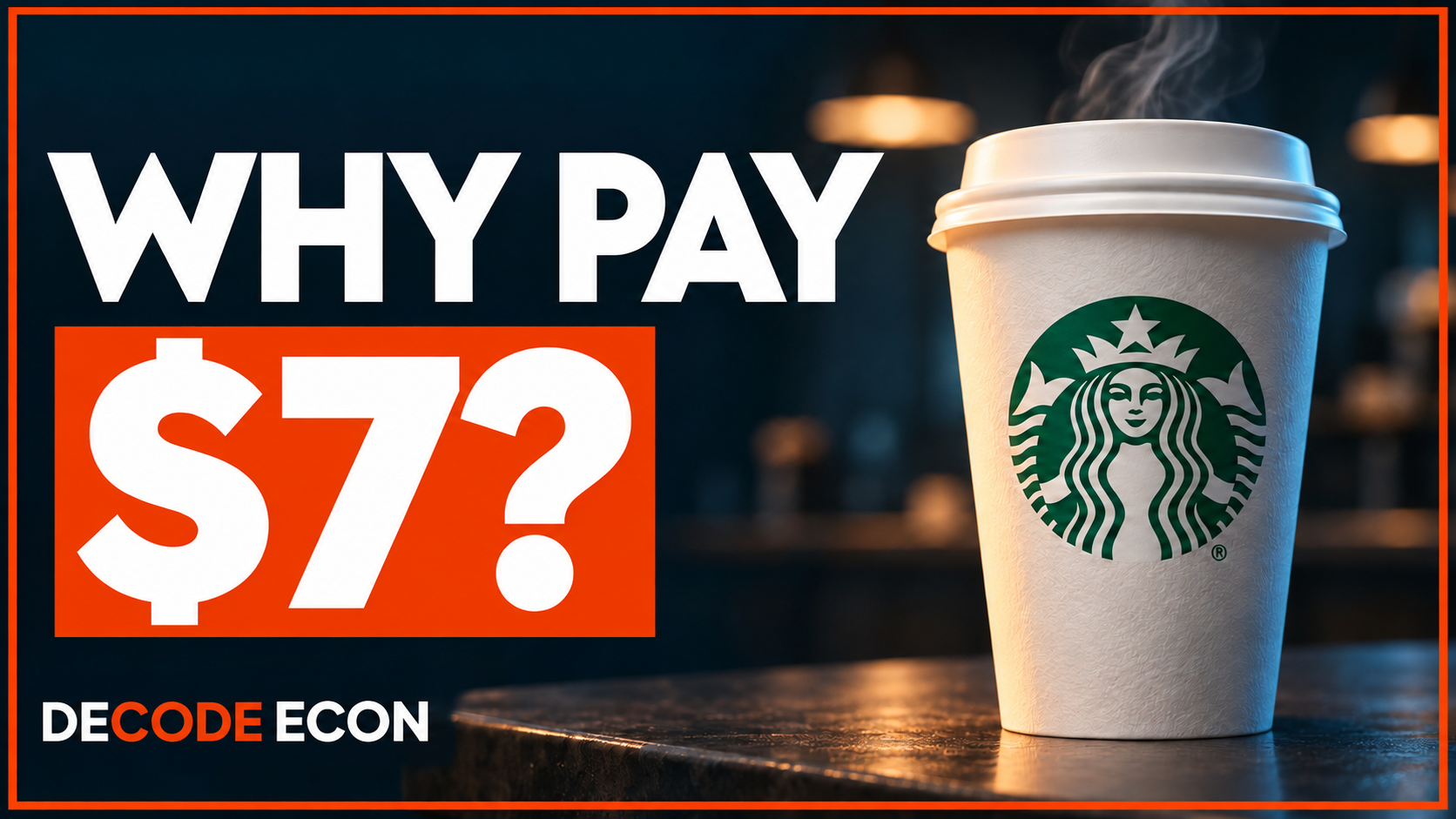
How Starbucks Gets You to Stop Looking at the Price
A cup of coffee costs cents to make. Starbucks charges about $7 for it, and people line up anyway. The gap isn’t the coffee. It’s the behavioral design built around it
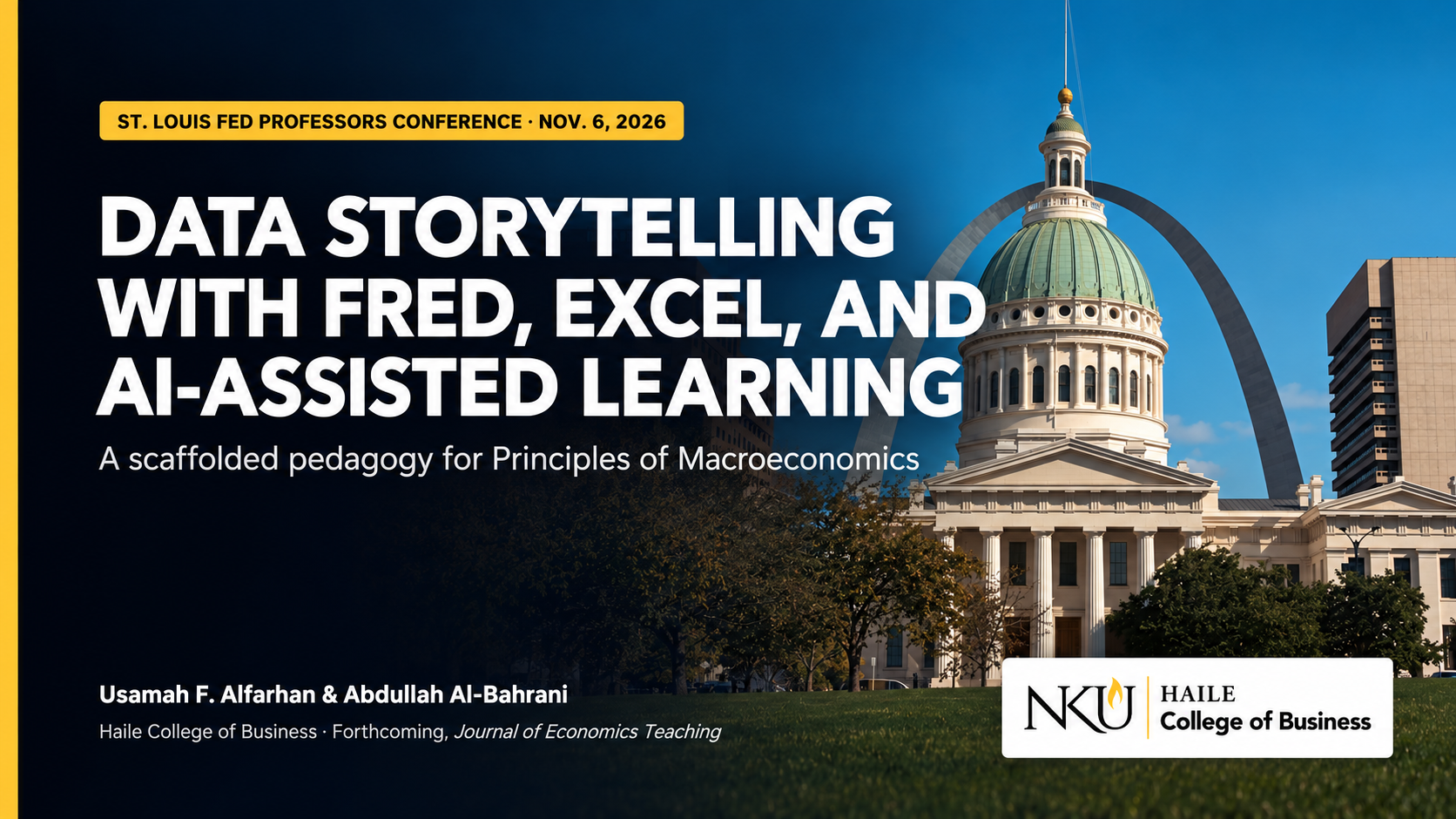
Every Student Gets One Economics Class. Here’s How We Make It Count
If a student takes only one economics class, it should teach them to find real data, explain it, and judge what AI gets wrong. Here’s how FREDX does it
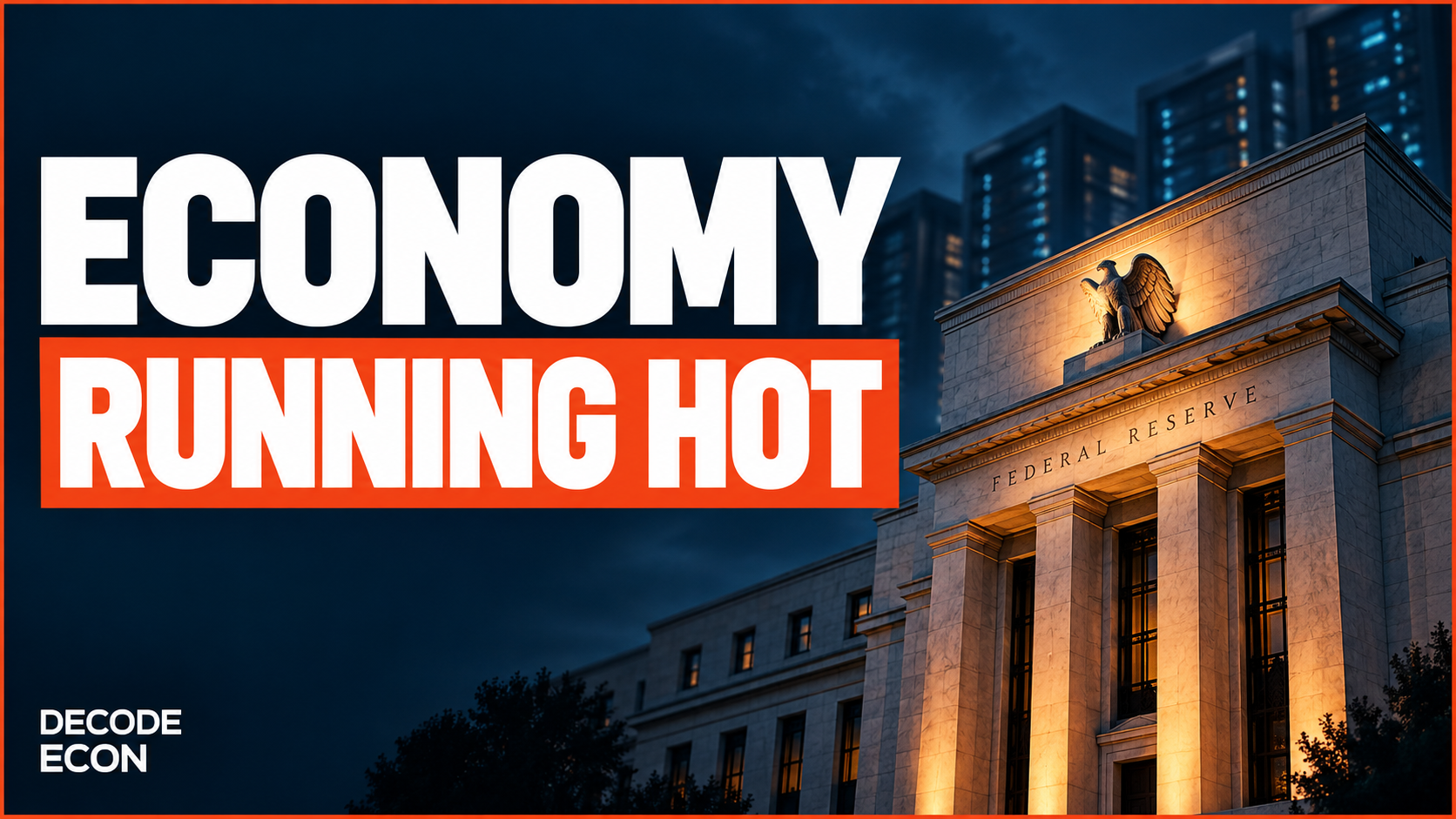
The Economy This Week: Fed, GDP and Inflation
The Fed paused and announced fewer rate votes, Q3 GDP grew 3.4% on the AI build-out, and inflation hit 3.6%. Here’s what it means for your wallet.
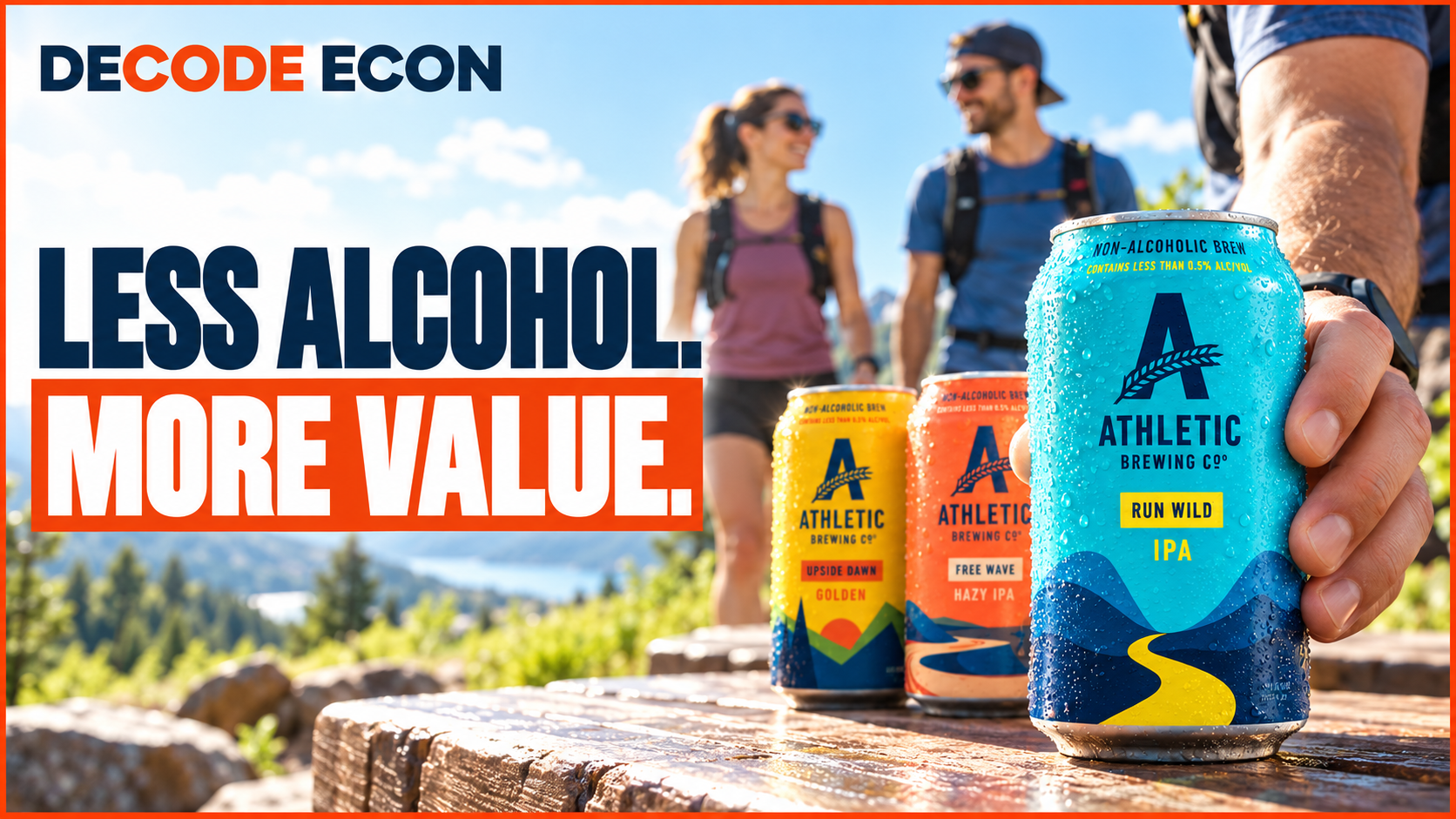
How Athletic Brewing Made Less Feel Like More
Nonalcoholic beer used to be the thing you drank when you couldn’t drink. Athletic Brewing turned it into a premium brand by selling identity, not just taste.

Americans Feel Terrible. Why Are They Still Spending?
Consumer sentiment is near record lows, but spending keeps growing. What the gap between how we feel and what we buy tells us about the economy.

How a Can of Water Escaped the Commodity Trap
Bottled water should be the hardest market to profit in. Liquid Death charges two to three times the going price anyway. Here’s the economics behind the skull logo, and what it says about the brands you pay extra for.

Expectations Matter: Why This Inflation May Stick Around
Both the CPI and PPI came in hotter than expected. The oil shock from the war is spreading to other prices, and once inflation gets into expectations, it’s much harder to bring down.

Americans Feel the Pain of war
Inflation rose to 3.7% in September, driven by a 34.2% jump in gasoline and 74.2% in fuel oil. Core inflation sits at 2.6%, and real wages are falling.

What Personal Finance Teachers Should Take From This Year's Nobel Prize
The 2026 Nobel went to macroeconomists, but the lesson belongs in the personal finance classroom. Six principles from Hall and Woodford on income, expectations, interest rates and household credibility.

The Economy Runs on What You Think Will Happen Next
This year’s Nobel Prize goes to two economists who built expectations into how we stabilize the economy. Here’s why that matters for your mortgage and for the Fed.

Mortgage Rates Spike
Mortgage rates hit 7.28%. On a median-priced new home, that's $200 more a month, and it decides who still qualifies to buy.

Bad Jobs Report
Employers added 29,000 jobs in September, far below the 84,000 expected. Here's who is getting hired, why your raise feels smaller, and what a cold market means for you.

JOLTS Report
Job openings fell to 7.08 million in August, below the 7.2 million expected. Layoffs and quits both dropped, so workers are staying put. Here's what that signals ahead of Friday's jobs report.

The Commodification of Everything
Barnes & Noble opened over 60 stores in 2025 and independent bookstores are up 70% since 2020. When convenience becomes a commodity, experience becomes the scarce good.

Why study Economics?
Students are anxious about choosing a major. The real reason to study economics is flexibility, and here are the skills that turn it into a career

The $800 Shipping Loophole Is Gone. Here’s Who Pays.
The U.S. ended the de minimis exemption for imports under $800. What changed, why the rule existed since 1938, and what it means for prices, small businesses, and your next online order